Physical Address
304 North Cardinal St.
Dorchester Center, MA 02124
Physical Address
304 North Cardinal St.
Dorchester Center, MA 02124


These simple money-saving habits can help you cut monthly expenses, reduce financial stress, and create a calmer home life without feeling deprived all the time.
The grocery total climbed higher while I silently prayed the cashier would not say the number out loud. My cart barely looked full, yet somehow it felt like I had accidentally purchased a small island. Then my phone buzzed with another subscription renewal I completely forgot about.
That was the moment I realized cutting expenses is usually not about giant dramatic sacrifices. Most of the time, it is about fixing the tiny leaks quietly draining your money every week.
Honestly, people make saving money sound way more complicated than it needs to be. You do not need to survive on plain rice or cancel every enjoyable thing in your life. You just need smarter systems and a few realistic habits.
If your budget feels tighter lately, these 7 simple hacks to cut expenses this month can help without making life miserable.

This one humbled me immediately.
I sat down one evening thinking my spending was pretty reasonable. Then I checked my bank statement and found random charges everywhere. Streaming apps. Forgotten subscriptions. Delivery fees. Digital purchases I barely remembered making.
Tiny expenses act sneaky because they never feel serious in the moment.
One month, I found four subscriptions charging me for things nobody in the house even used anymore. Incredible financial leadership from me 🙂
Open your banking app and look for repeating charges. If you hesitate for even three seconds trying to remember what something is, cancel it.
Takeaway: Small recurring expenses often waste more money than occasional splurges.

Every time I tried becoming the organized meal-prep mom online, life immediately fought back.
The kids suddenly hated vegetables. Work deadlines piled up. Someone forgot to thaw chicken. Then we ordered takeout again because everybody was tired and irritated.
Now I keep meals embarrassingly simple during busy weeks. And honestly? It works better.
The simpler the meal, the less likely we waste ingredients.
FYI, realistic meals save more money than ambitious grocery hauls.
Pick three emergency dinners you can make in under 15 minutes. Those meals rescue your budget during chaotic evenings.
Takeaway: Simple meal planning cuts grocery waste and reduces expensive takeout orders.
This one personally attacked me.
I used to buy things for the version of myself who woke up early, exercised daily, meal prepped beautifully, and somehow kept the house spotless while drinking lemon water.
Meanwhile, actual me wanted sweatpants and quiet.
Fantasy spending adds up fast because it comes from guilt, not real needs.
Now before buying anything, I ask one question. Does this fit my real daily life right now?
That question alone saved me a ridiculous amount of money.
Takeaway: Buying for your real life prevents clutter and unnecessary spending.

One weekend we stayed home simply because everybody felt tired. No shopping. No restaurants. No random errands that somehow cost money every single time.
Shockingly, it became one of our favorite weekends all month.
We made homemade pizza, watched movies, cleaned the kitchen slowly, and let the kids build blanket forts. Nobody complained.
A lot of spending happens because people feel bored, stressed, or emotionally fried. Staying home resets that cycle.
Turns out children care more about attention than expensive outings most of the time.
Avoid browsing shopping apps completely during weekends. Those apps act like tiny digital gremlins stealing your paycheck.
Takeaway: Staying home intentionally can lower both stress and spending.
Some money-saving advice feels ridiculous. I once read a tip suggesting families keep lights off constantly to save money. Respectfully, no.
But small realistic adjustments actually help.
None of these changes felt dramatic. Together though, they reduced monthly bills noticeably.
Teach kids to turn things off when leaving rooms. This requires repeating yourself roughly 700 times, but eventually it works.
Mostly.
Takeaway: Small utility habits create steady monthly savings over time.
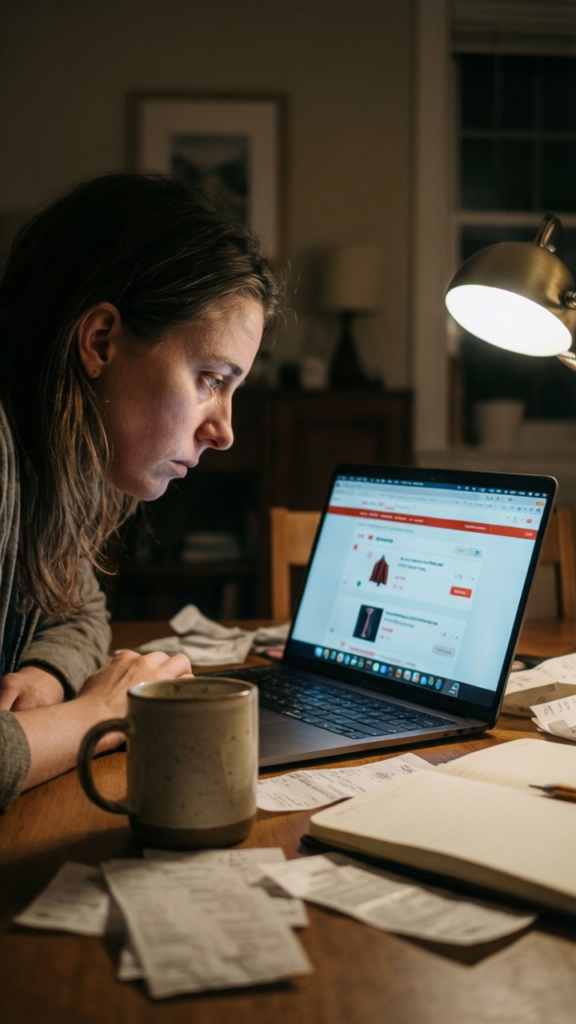
Impulse spending usually happens fast. Faster than logic. Faster than common sense. Sometimes faster than Wi-Fi.
I started using a simple rule. If I want something non-essential, I wait at least 24 hours before buying it.
That tiny pause changed my spending habits immediately.
Most impulse purchases feel urgent emotionally, not practically. After a day passes, the excitement usually disappears.
Things I almost bought recently:
The waiting period saved me from all of them.
IMO, delayed decisions protect your budget better than extreme restrictions ever will.
Add items to your cart, then leave the app. You still get the emotional satisfaction without instantly losing money.
Takeaway: Delaying purchases helps separate wants from actual needs.

This lesson took me years to understand.
A lot of bad spending habits come directly from exhaustion. People overspend when they feel overwhelmed, emotionally drained, or mentally overloaded.
I noticed I spent more money during stressful weeks because I wanted convenience, comfort, or tiny dopamine boosts. Coffee runs. Delivery apps. Random online shopping. All of it added up.
Cutting expenses became easier once I improved daily routines.
Financial stability connects heavily to emotional stability. Nobody likes admitting that part, but it is true.
You do not need perfect budgeting. You need fewer chaotic decisions.
That difference matters a lot.
Takeaway: Calm routines often lead to smarter financial choices naturally.
If you want extra ways to save quickly, these smaller habits help too.
None of these habits sound life-changing alone. Together though, they create noticeable breathing room in a monthly budget.
And honestly, breathing room feels luxurious these days.
Learning how to cut expenses this month does not mean turning your life into a punishment. Most people fail extreme budgets because extreme rules make everyday life exhausting.
Small realistic habits work better because they fit normal human behavior.
You will still buy convenience food sometimes. You will still make imperfect money decisions occasionally. You might even forget to cancel another subscription at some point. Welcome to adulthood.
But tiny changes add up quietly.
One less impulse purchase. One simpler grocery trip. One no-spend weekend. One canceled subscription. Those little decisions slowly create financial peace without making your life feel smaller.
And honestly, that balance matters more than chasing perfect budgeting ever will.