Physical Address
304 North Cardinal St.
Dorchester Center, MA 02124
Physical Address
304 North Cardinal St.
Dorchester Center, MA 02124

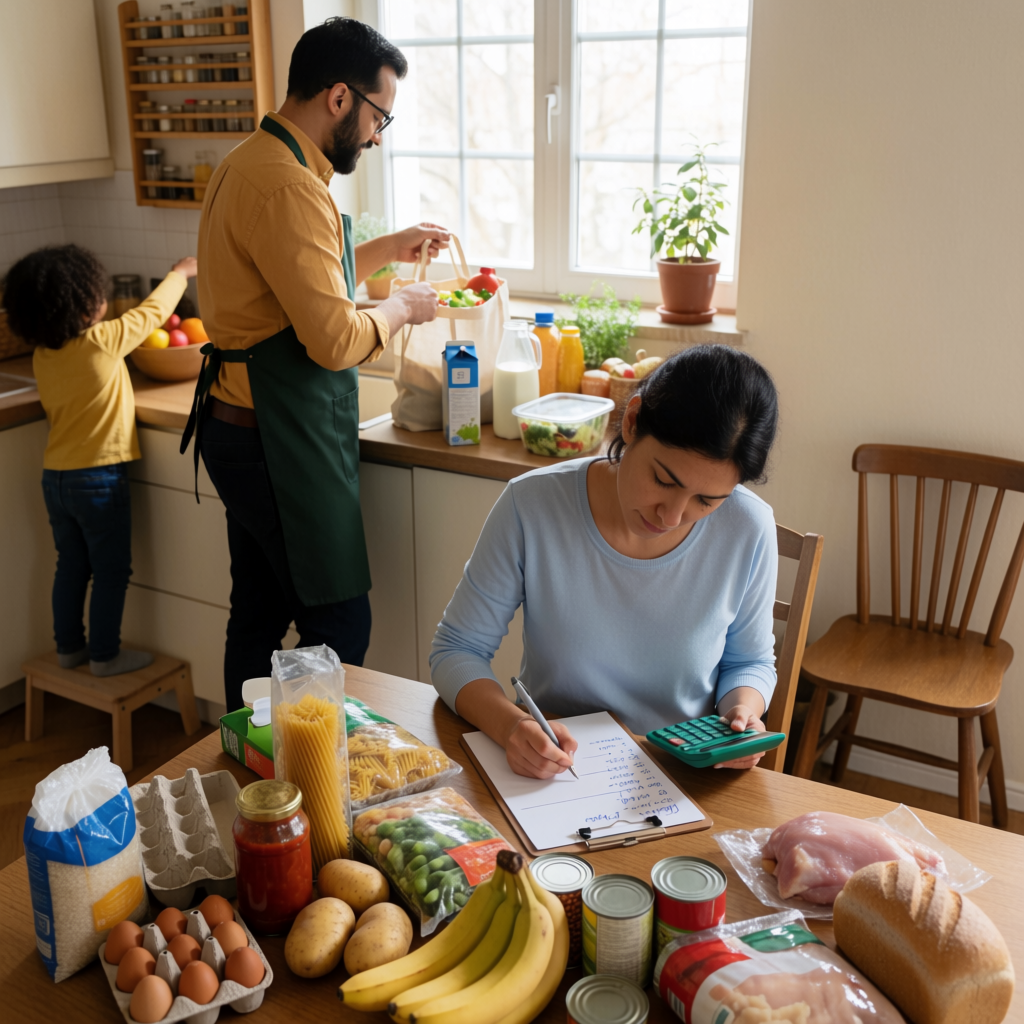
Discover 7 practical cheap meal planning ideas that help families stretch groceries further, reduce mealtime stress, and put simple affordable dinners on the table every week.
Somewhere between opening the fridge and hearing someone ask what is for dinner again, the math stopped making sense. The cart looked normal at the store. The receipt looked like a personal attack.
If you are feeding a family on a tight grocery budget, you already know the problem is rarely cooking. It is decision fatigue, random grocery runs, half-used ingredients, and somehow spending more while feeling like you bought less.
After too many weeks of buying with optimism and cooking with regret, I started leaning into meal planning that felt realistic instead of impressive. Not color-coded spreadsheets. Just meals that stretch, overlap, and actually get eaten.
These cheap meal planning ideas for families on a tight grocery budget helped us spend less without turning dinner into survival mode.


Buying random ingredients feels productive until Wednesday when nothing goes together.
Now I pick one flexible base ingredient every week and let it carry multiple meals.
Example week with shredded chicken:
Same protein. Different mood.
This works with:
Your family notices variety more than ingredient repetition. Kids especially act like changing the shape of food creates a whole new cuisine.
Takeaway: Buy ingredients that can become multiple dinners, not ingredients assigned to one recipe.


For years I treated fillers like sad compromise food.
Turns out the real budget heroes are ingredients that stretch meals without making dinner depressing.
Cheap staples that earn permanent shelf space:
One of our easiest dinners is roasted potatoes, scrambled eggs, and sautéed vegetables.
Fancy. No.
Reliable. Extremely.
FYI, hunger does not care whether dinner looked Pinterest worthy.
Pick:
Done.
Takeaway: Stretch meals with satisfying basics instead of buying expensive convenience foods.


This single habit changed our grocery spending more than coupon apps.
Thursday became leftovers night.
At first everyone complained.
Then everyone realized nobody had to cook.
We pull containers out, heat things up, slice fruit, toast bread if needed, and call it dinner.
You know what makes leftovers feel intentional?
Naming the night.
Not leftover night.
Clean Out the Fridge Café.
Suddenly people become surprisingly cooperative 🙂
Takeaway: One leftovers dinner reduces waste and creates breathing room in the budget.


Decision fatigue spends money.
I stopped trying to invent dinner every week.
Instead, I rotate dependable meals.
Our repeat list:
People act like meal repetition is boring.
People also wear the same comfortable sweatshirt every week.
Interesting.
Monday: Fried rice
Tuesday: Pasta
Wednesday: Taco bowls
Thursday: Leftovers
Friday: Homemade pizza
Saturday: Soup
Sunday: Breakfast dinner
Takeaway: Repeat successful meals instead of reinventing family dinners every week.


I once bought frozen peas while standing in front of frozen peas already in my freezer.
Humbling moment.
Now grocery planning starts with opening:
Only after that do I make the list.
Questions I ask:
Sometimes the meal plan builds itself.
Half a bag of meatballs plus leftover bread becomes meatball subs.
That is not laziness. That is strategy.
Takeaway: Use what you already own before adding new groceries.


Snacks quietly destroy grocery budgets.
Not dinner.
Snacks.
I started putting approved snacks in one basket.
Inside:
When snacks become visible and limited, random pantry raids calm down.
Mostly.
Children remain children.
Pair:
Examples:
Takeaway: A snack plan protects the dinner ingredients and lowers impulse spending.


The expensive dinners happen on chaotic days.
Late pickup.
Bad mood.
Nobody thawed anything.
Emergency meals stop emergency spending.
My favorites:
Ten minutes.
No delivery fees.
No guilt.
Honestly, some of these accidental dinners became family favorites.
Takeaway: Cheap emergency meals protect both your grocery budget and your energy.
Use this framework each week:
Keep the list short. Reuse ingredients. Buy less variety than your optimistic self wants.
Feeding a family on a tight grocery budget does not require extreme couponing or making lentils feel like a personality trait.
Most weeks, success looks boring.
A simple plan. Ingredients that overlap. One leftovers night. A freezer that finally earns its rent.
Start with one idea from this list this week. Not all seven.
Your grocery bill may not become magical overnight, but dinner can feel easier. And honestly, that counts too.