Physical Address
304 North Cardinal St.
Dorchester Center, MA 02124
Physical Address
304 North Cardinal St.
Dorchester Center, MA 02124


These realistic money-saving strategies can help you cut everyday expenses, reduce financial stress, and build healthier spending habits without making life feel restrictive.
The grocery receipt folded awkwardly in my purse while I sat in the car trying to mentally calculate whether we still had enough left for the week. Then my daughter asked for a snack, my phone buzzed with another subscription renewal, and suddenly I understood why so many adults feel financially exhausted all the time.
Money stress rarely comes from one giant mistake. Usually it comes from dozens of tiny habits quietly draining your account every day.
For a long time, I thought cutting expenses meant making life miserable. No coffee. No fun. No convenience. Just endless budgeting spreadsheets and emotional damage from looking at bank statements.
Turns out, the best strategies for cutting down on expenses are usually simple, realistic, and flexible enough for actual human life.
If you want to save money without feeling deprived constantly, these 20 best strategies for cutting down on expenses can help you create breathing room in your budget without losing your sanity.

I used to estimate my monthly spending based on pure optimism. Apparently fantasy budgeting was my hobby.
Then I tracked every expense for one month and immediately discovered where half my money disappeared.
Awareness changes spending habits faster than guilt ever will.
Takeaway: You cannot reduce expenses you refuse to look at honestly.
One afternoon I realized we paid for streaming services nobody had opened in months. Incredible teamwork from our household 🙂
Subscriptions feel harmless because they look small individually.
Tiny recurring charges quietly destroy budgets over time.
Takeaway: Small monthly charges create large yearly expenses.
Walking into a grocery store without a list feels financially dangerous now.
I once entered for milk and somehow left with candles, frozen desserts, and expensive snacks nobody even asked for.
A simple list prevents emotional spending fast.
Takeaway: Grocery planning reduces waste and impulse purchases.
Impulse spending usually disappears if you wait long enough.
Now whenever I want something non-essential, I leave it in the cart for at least one day.
Most of the time I completely forget about it.
FYI, delayed decisions save more money than dramatic restrictions.
Takeaway: Waiting before buying helps separate wants from actual needs.
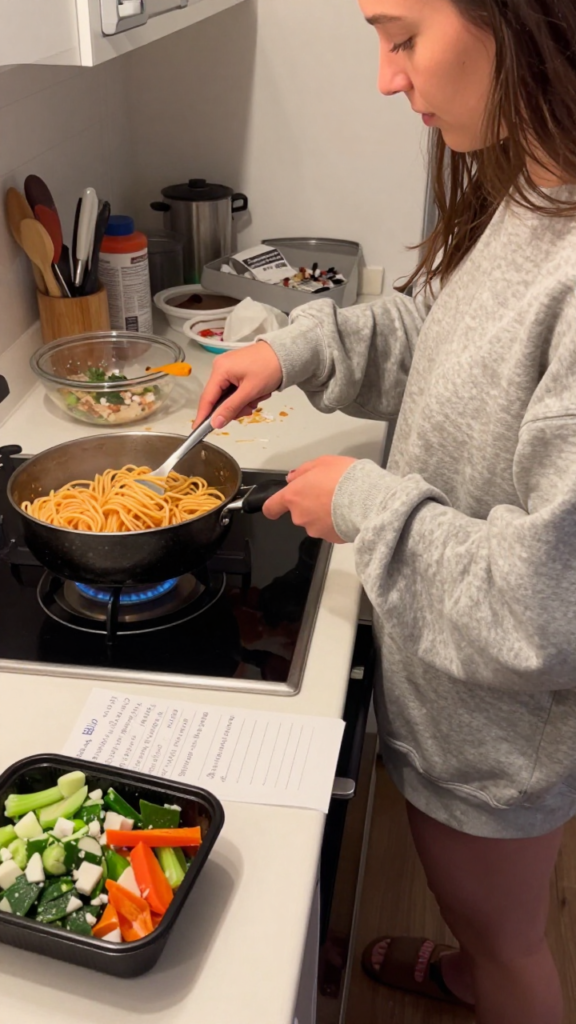
Exhaustion creates expensive food habits.
The nights we ordered the most takeout usually happened because nobody wanted to think about cooking.
Simple meals save both money and mental energy.
Takeaway: Easy meal options prevent expensive last-minute takeout.
You do not need to sit in darkness pretending to enjoy it.
Small adjustments work surprisingly well without making life uncomfortable.
Tiny habits add up monthly.
Takeaway: Small utility changes create consistent savings over time.
This lesson personally attacked me.
I bought things for the version of myself who meal prepped beautifully, exercised daily, and somehow kept the house spotless while running a business.
Meanwhile, real me wanted stretchy pants and easy dinners.
Buy for your actual lifestyle.
Takeaway: Realistic spending prevents clutter and wasted money.
One of our cheapest weekends ended up being one of our favorites.
We stayed home, watched movies, cleaned slowly, made homemade pizza, and avoided stores completely.
Turns out boredom creates spending faster than actual need.
Simple weekends often feel calmer too.
Takeaway: Staying home intentionally lowers both stress and spending.
Cashback rewards help only if you already planned the purchase.
Buying random things for points defeats the entire purpose. Ask me how I know.
Treat rewards like a bonus, not permission to overspend.
Takeaway: Cashback works best for planned expenses only.
Honestly, many store-brand products work perfectly fine.
We switched gradually on basic household items and barely noticed a difference.
Your wallet notices the savings even if your family does not.
Takeaway: Generic brands often provide similar quality for less money.
Buying lunch during busy workdays adds up painfully fast.
Now I prep simple lunches ahead because future exhausted me makes questionable financial decisions.
Convenience matters. Keep it realistic.
Takeaway: Prepared lunches reduce daily spending dramatically.
Many people overpay simply because they never review old plans.
One quick comparison saved us more money monthly than several smaller budget cuts combined.
Companies rarely volunteer cheaper options automatically.
Takeaway: Reviewing fixed bills can create large long-term savings.
This one changed my spending habits a lot.
I noticed I browsed stores or shopping apps whenever I felt stressed, bored, or emotionally tired.
That habit gets expensive quickly.
Not every difficult day needs a purchase attached to it.
Takeaway: Emotional awareness helps reduce unnecessary spending.
Huge restrictions usually fail because they feel miserable immediately.
Small limits feel manageable.
Little boundaries create awareness without feeling extreme.
Takeaway: Smaller spending limits feel easier to maintain consistently.

One weekend cleanup turned into unexpected extra cash.
Apparently we owned enough forgotten clutter to start a tiny side business accidentally.
Less clutter feels mentally lighter too.
Takeaway: Unused items can become useful financial breathing room.
Certain spending categories feel more real when cash leaves your hands physically.
For me, that category was random household shopping.
Cash creates natural limits fast.
Once the envelope empties, spending stops automatically.
Takeaway: Cash spending increases awareness immediately.
Every year holidays arrive acting completely unexpected somehow.
Back-to-school shopping, birthdays, vacations, and holiday costs become stressful when ignored too long.
Future planning reduces panic spending.
Takeaway: Predictable expenses should never become financial emergencies.
Automation removes emotional decision-making.
Even tiny automatic transfers help build savings quietly over time.
Consistency matters more than huge amounts.
IMO, automated money habits feel like having a responsible assistant managing your life.
Takeaway: Automatic systems create financial consistency more easily.
Constantly chasing upgrades gets expensive fast.
You do not always need newer decor, trendier clothes, or another organizational system from social media.
Sometimes what you already own works perfectly fine.
That realization saved me a surprising amount of money.
Takeaway: Contentment reduces unnecessary spending naturally.

Some months will go beautifully. Other months life becomes financially chaotic for reasons completely outside your control.
That does not mean you failed.
Small improvements matter.
Takeaway: Sustainable financial habits beat perfect budgeting every time.
The best strategies for cutting down on expenses are usually not dramatic. They are small consistent habits repeated often enough to change your daily life quietly.
One canceled subscription. One meal plan. One less impulse purchase. One no-spend weekend. Those tiny decisions slowly create financial breathing room over time.
You do not need to become a perfect minimalist budgeting expert overnight. You just need systems that support your real life instead of fighting against it.
And honestly, financial peace usually starts with simpler habits, not bigger sacrifices.