Physical Address
304 North Cardinal St.
Dorchester Center, MA 02124
Physical Address
304 North Cardinal St.
Dorchester Center, MA 02124


Frugal fun is about enjoying life in simple, low-cost ways that still feel full, meaningful, and easy to repeat without pressure or spending guilt.
Money used to feel like it disappeared faster than I could track it. One minute the month looked fine, the next I was staring at a bank app wondering how takeout and random errands turned into that number.
It was not a dramatic crisis. Just that quiet pressure most people know too well. You work, you plan, and somehow fun still feels expensive.
That is usually where frugal living starts. Not from strict rules, but from wanting life to feel lighter without cutting out joy.
Frugal fun is not about stopping yourself from enjoying life. It is about removing the pressure that fun has to cost a lot to feel real.
Most spending stress does not come from big purchases. It comes from repeated small choices that add up quietly. Coffee runs, weekend plans, online scrolling that turns into impulse buying.
Key takeaway: You do not need more money to enjoy life. You need better ways to enjoy it on purpose.
And yes, it feels awkward at first. You might even think, am I really going to skip spending just to stay home. But the truth is, most people are already tired. They just have not adjusted their version of fun yet.
Let us break this down into real, usable ideas. Nothing forced. Nothing that feels like a punishment.
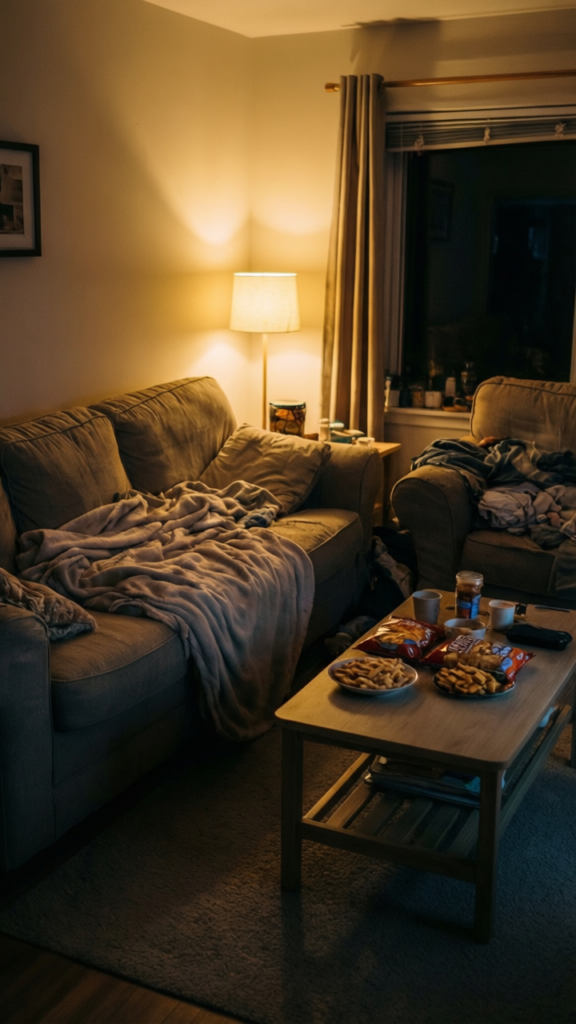
Dim the lights, grab snacks from your kitchen, and build a simple cinema vibe. No tickets, no lines, no pressure.
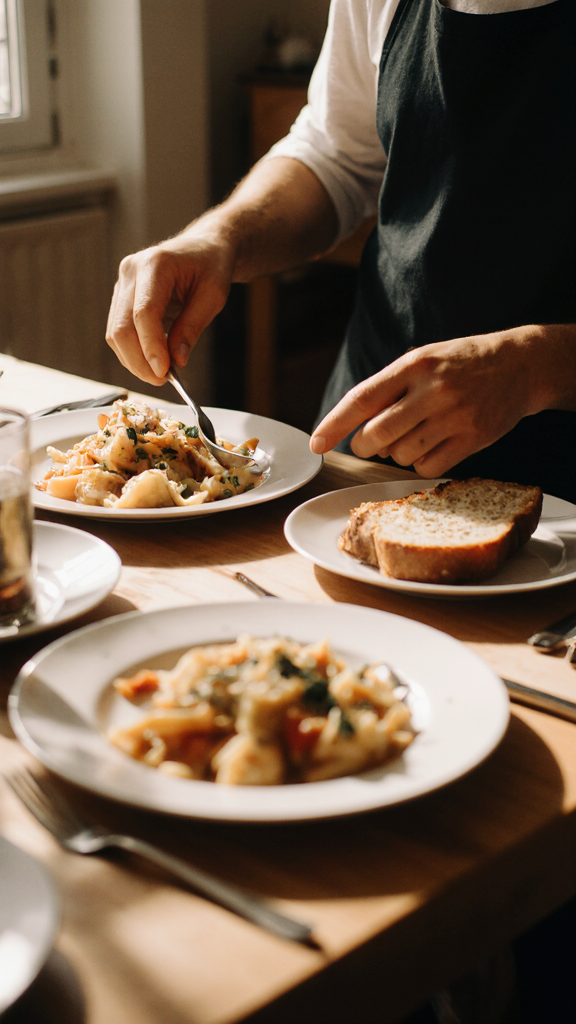
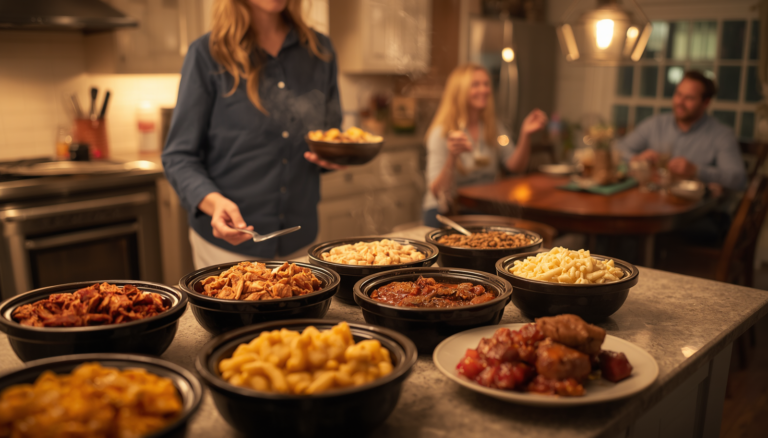
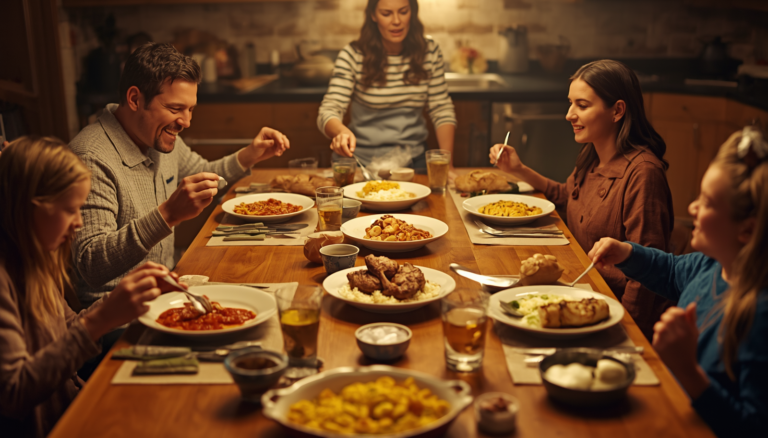
Pick a theme like Italian night or street food night. Use what you already have. The fun is in the experience, not perfection.
Learn something small in 7 days like sketching or basic photography using your phone. It gives your brain something new without spending money.

Go outside without a goal. No errands. No fitness target. Just walking. It resets your mind more than most expensive activities.
Hot shower, simple face mask, calm music. You already have most of what you need at home.
Old shows feel different when you are not rushing through them. It is comfort without cost.
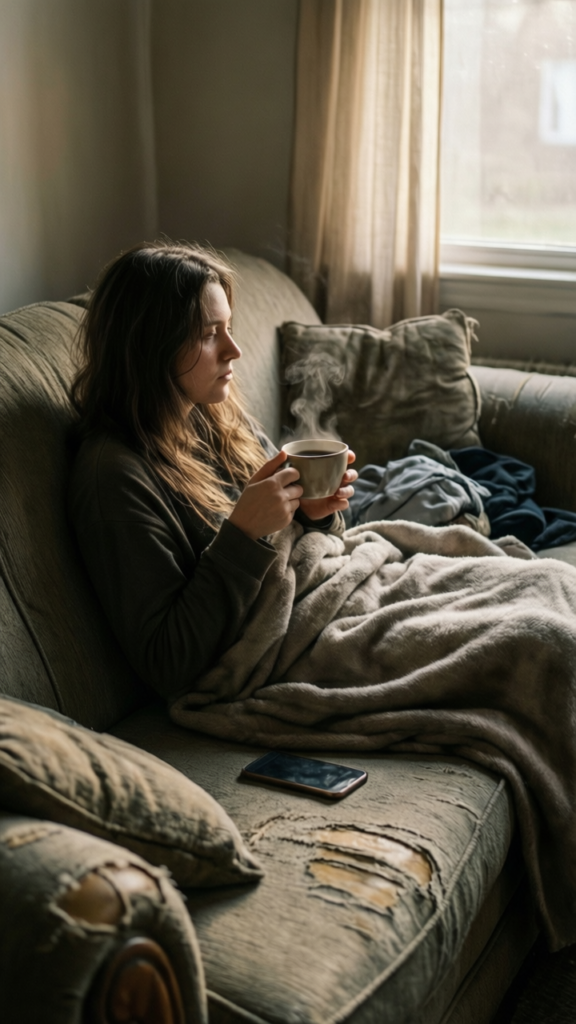
Set a rule for 48 hours. No shopping. No delivery. It feels restrictive for a moment, then strangely freeing.
Write random thoughts, goals, or even complaints. It clears mental clutter.
Move furniture, clean a corner, or refresh a room layout. It feels like a new environment without buying anything.
Simple games bring people together faster than planned outings.
Libraries, parks, community spaces. Most people forget these exist until they need them.
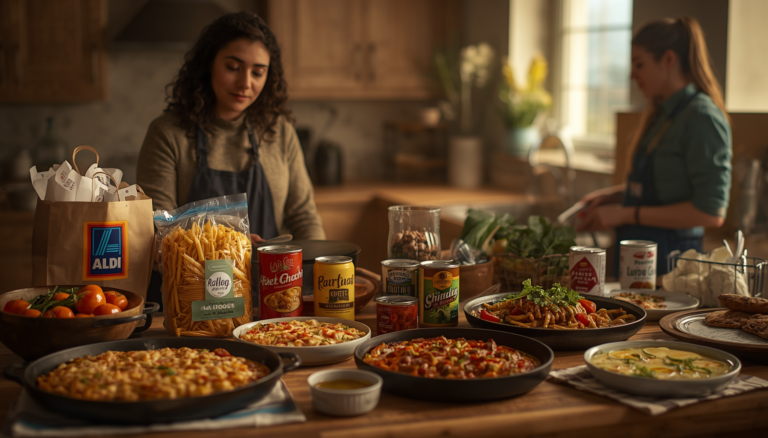
Pick random ingredients and challenge yourself to create something new. It becomes a small game.
Use old materials at home to make something decorative or useful.
Choose something you can sink into without multitasking.
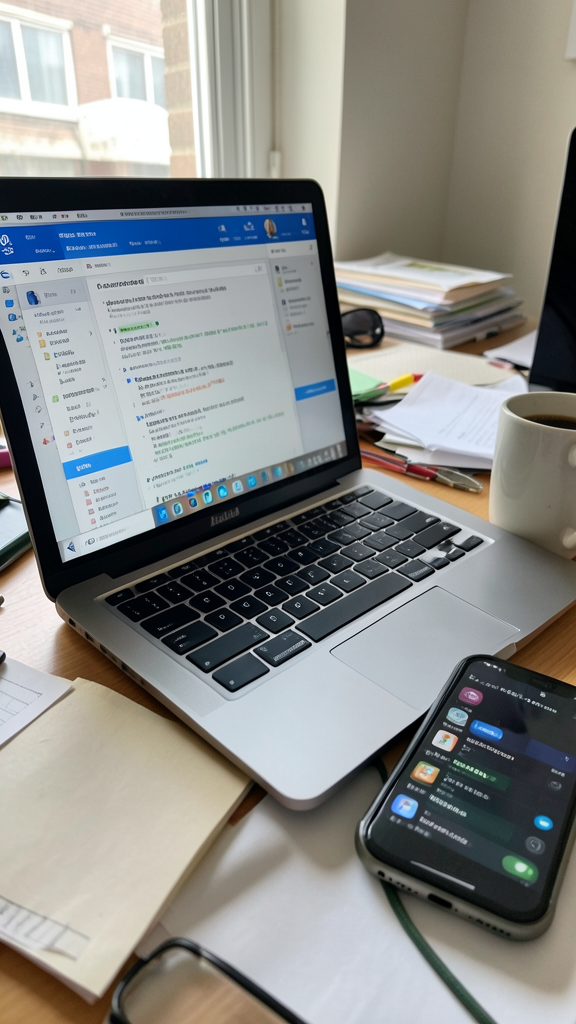
Organize your phone, delete unused apps, clean your photo gallery. It feels oddly refreshing.
Invite a friend over with no pressure to spend. Tea, snacks, conversation.
Games, storytelling, or even cooking together. It creates memories without spending.
Write down things that make you feel good without money involved. Then actually use them.
Key takeaway: Frugal fun works when it feels natural, not forced. If it feels like punishment, it will not last.
The real change is not in what you do. It is in how you define enjoyment.
Many people link fun with spending because it is easy and familiar. But that connection is learned, not fixed.
Once you notice it, you start questioning it more. Do I want this activity, or do I just want the feeling of spending something.
That question changes everything.
And honestly, you might find yourself enjoying simpler things more. Not because they are cheaper, but because they are calmer.
Start small. You do not need to overhaul your lifestyle.
Pick two or three ideas from the list and repeat them weekly. Repetition is what makes them feel normal.
Avoid turning it into a strict system. The moment it becomes a rulebook, it loses its ease.
Also, keep one or two spontaneous habits. Something unplanned keeps it from feeling rigid.
Key takeaway: Consistency beats intensity. Small habits create long term change.
And if you slip back into spending more one weekend, nothing breaks. You just reset.
There is a point where saving money stops feeling like restriction and starts feeling like control.
You notice your spending becomes more intentional. You stop buying things just to fill time. You enjoy slower days without guilt.
It does not happen overnight. It builds quietly through repetition.
And then one day you realize your life still feels full, just less expensive.
That is usually when people stop trying to go back.
Frugal fun is not about cutting joy. It is about finding out how much of it was already available to you without spending.
When you remove the pressure to pay for every good moment, you start noticing the simpler ones more clearly.
Not every weekend needs a plan or a bill attached to it. Sometimes the best parts of life are already sitting in your daily routine, waiting to be used differently.
And once you see that, it is hard to unsee it.