Physical Address
304 North Cardinal St.
Dorchester Center, MA 02124
Physical Address
304 North Cardinal St.
Dorchester Center, MA 02124


Simple, realistic habits to help you stop overspending this fall while still enjoying the cozy moments that matter.
The total at checkout felt… off. Nothing big in the cart, just small cozy things. Snacks, candles, a few extras for the kids. Somehow it still added up way faster than expected. I stood there debating what to put back while pretending I had full control.
That is the thing about fall. It is full of little moments that feel harmless but quietly stretch your budget.
If you want to feel more in control this season, these 15 easy ways to stop overspending this fall season are simple, realistic, and actually doable.

Monthly budgets feel too far away. Weekly limits feel real.
It keeps you grounded instead of guessing.
Takeaway: Weekly limits help you stay aware before things get out of hand.
Sounds basic because it is.
But skipping this step is how random items sneak into your cart.
I shop faster and spend less when I stay focused.
Takeaway: A clear list reduces impulse buying.
If it is not planned, wait.
Most things lose their appeal quickly.
It turns out urgency is often fake 🙂
Takeaway: Time helps you separate wants from needs.
Those sales emails are not helping you save money.
They are designed to make you spend.
Out of sight really does help here.
Takeaway: Fewer triggers mean fewer impulse purchases.
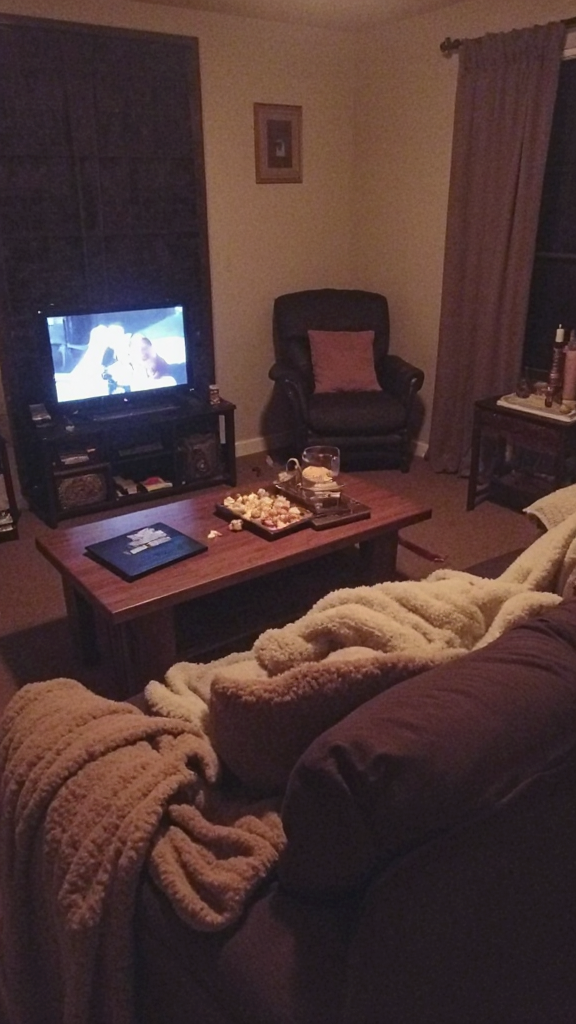
A lot of spending comes from boredom.
Fall makes you want comfort, so create it at home.
We started doing this and spent way less without feeling deprived.
Takeaway: Replace spending habits with cozy routines.
Not just weekly. Daily.
It sounds intense but takes less than two minutes.
FYI, this alone can stop overspending quickly.
Takeaway: Daily awareness keeps you accountable.
If you cut everything, you will quit.
Give yourself a small amount for fun spending.
Balance matters more than restriction.
Takeaway: Controlled freedom prevents burnout.
Shopping should be intentional, not a default activity.
Notice when you browse out of boredom.
I used to scroll shopping apps at night. Not my proudest habit.
Takeaway: Awareness breaks the cycle of habitual spending.
Random grocery runs cost more.
Hungry shopping is basically a guarantee for overspending :/
Takeaway: Planned trips reduce unnecessary purchases.

Cards make it easy to overspend.
Cash creates a natural limit.
It feels old-school but works.
Takeaway: Cash makes spending limits visible and real.
Small monthly charges add up quickly.
Cancel anything that is not adding value.
Takeaway: Cutting unused subscriptions frees up money instantly.
Without a goal, it is easy to spend mindlessly.
Give your money a purpose.
IMO, goals make it easier to say no to random spending.
Takeaway: Clear goals keep your decisions focused.
Before buying something new, check what you already have.
You might be surprised.
I have “rediscovered” things I forgot I owned more times than I can count.
Takeaway: Using what you own reduces unnecessary spending.

Set aside time each week to review your finances.
It helps you stay on track without feeling overwhelmed.
Takeaway: Regular check-ins keep your budget working.
This is the simplest habit and the most powerful.
A short pause can save you from a lot of regret.
Takeaway: Slowing down your decisions reduces overspending.
Fall feels cozy, comforting, and a little emotional.
You spend more time at home. You want small things that make life feel better. That is normal.
But those small purchases add up quickly if you are not paying attention.
These 15 easy ways to stop overspending this fall season work because they focus on awareness and simple habits, not restriction.
Takeaway: Awareness, not perfection, is what keeps spending under control.
Overspending does not happen because you lack discipline. It happens because small habits go unchecked.
The good news is that small habits can also fix it.
Start with one or two of these strategies. Keep it simple. Stay consistent.
You do not need to cut all the cozy moments this fall. You just need to be more intentional with them.
And honestly, that feels a lot better than wondering where your money went at the end of the week.