Physical Address
304 North Cardinal St.
Dorchester Center, MA 02124
Physical Address
304 North Cardinal St.
Dorchester Center, MA 02124


Cutting a handful of everyday spending habits can quietly free up more money than you expect without changing your whole lifestyle.
The cart total hit a number that made no sense. I stood there, staring at things I technically needed and a few I clearly did not, wondering how a quick stop turned into a full budget breakdown. My kid asked for snacks, I added more, and somehow we walked out with less money and more clutter.
That pattern is more common than people admit. We are not bad with money. We just keep buying things that quietly drain it.
If you want a real shift, it is not always about earning more. It is about stopping a few habits that leak money every single week. These are the 14 things to stop buying to save money fast this year, based on what actually worked in my home.
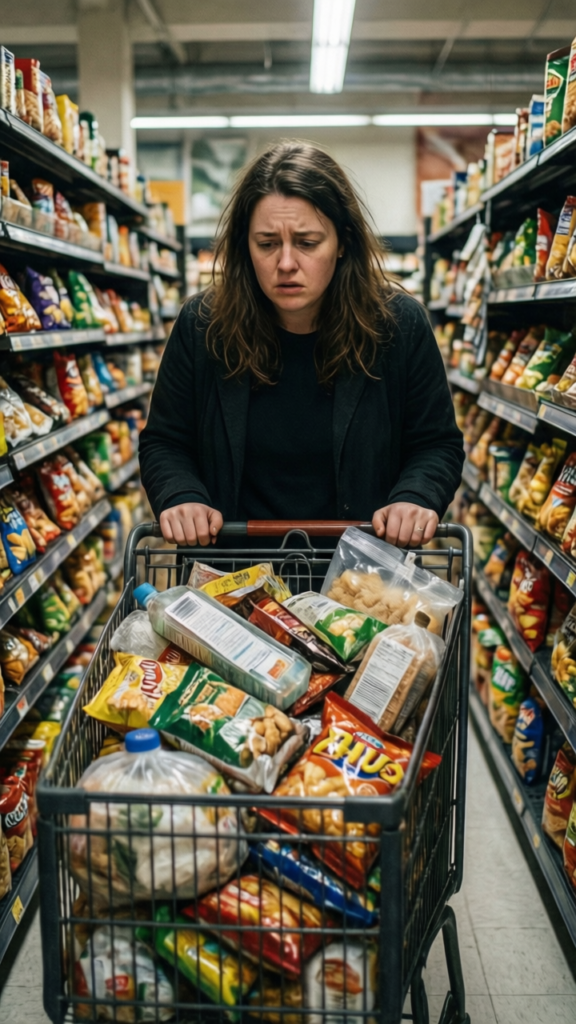

They look convenient. They also cost almost double.
A whole pineapple sits there for less, but the cut version in a plastic box feels easier. I used to grab those without thinking. Then I did the math once and stopped real quick.
Now I cut things myself. It takes a few extra minutes, but it saves money every single trip.
Takeaway: Convenience costs more than you think. Prep it yourself and keep the savings.
This one adds up quietly. A few bottles here, a few there, and suddenly it is a monthly expense.
We switched to a simple filter and reusable bottles. It felt small at first, but the savings showed up fast.
Also, fewer plastic bottles in the house. That alone feels better.
Takeaway: Stop paying for water you can get at home for almost nothing.
I once bought a tool just to slice avocados in a fancy way. Used it twice. Then it lived in a drawer.
Most gadgets do one thing and do not get used often. A good knife handles almost everything.
If it cannot justify daily use, it does not deserve space or money.
Takeaway: Skip single-use tools. Stick to basics that work every day.
That top looked great in the store. It still has tags months later.
Impulse clothing adds up fast, especially when it does not fit your real life. I started asking one simple question before buying anything. Where will I actually wear this
If I cannot answer clearly, it stays in the store.
Takeaway: Buy clothes for your real routine, not your imaginary life.

This one hurts a little. I love coffee. But buying it daily adds up faster than most people expect.
A basic home setup costs less in a week than a few coffee runs. And honestly, it tastes just fine once you get used to it.
I still treat myself sometimes. Just not every day 🙂
Takeaway: Make coffee at home most days and keep the treat occasional.

This is a big one in a house with a kid. Snacks disappear fast.
I used to grab random snacks every trip. Half of them were gone in two days. The rest sat there untouched.
Now I plan snacks and buy less. It sounds simple because it is.
Takeaway: Buy snacks with intention, not out of routine.
There is a product for everything now. Floor cleaner, glass cleaner, kitchen spray, bathroom spray.
I used to have all of them. Now I use a few basics that handle most jobs.
You do not need ten bottles under your sink. FYI, most of them do the same thing.
Takeaway: Simplify your cleaning supplies and stop paying for duplicates.
Buying cheap feels like saving. Until you replace the same thing three times.
I learned this with kitchen tools and kids items. The cheaper version broke fast, and I ended up spending more.
Now I aim for decent quality, not the cheapest option.
Takeaway: Buy better once instead of replacing over and over.
This one sneaks up on you. A few small monthly charges do not feel like much.
Then you check your bank statement and realize you are paying for things you barely use.
I canceled several subscriptions in one sitting. Did not miss most of them.
Takeaway: Audit your subscriptions and cut what you do not use.
Kids ask. Parents give in. It happens.
I used to buy small toys often just to avoid a meltdown. Most of them lost interest within days.
Now we set limits. Not every trip needs a reward.
Takeaway: Teach value early by not buying toys on every outing.
That expensive cream felt like a good idea at the time. Then it sat there, half-used.
I simplified my routine. Fewer products, used consistently.
It saved money and time. Also less clutter in the bathroom.
Takeaway: Stick to products you actually use to the end.
Buying in bulk works only if you use everything.
I once bought a huge pack of something on sale. Half of it expired. Not exactly saving money.
Now I buy bulk only for items we use regularly.
Takeaway: Bulk buying saves money only when nothing goes to waste.
Those quick frozen meals or ready-made dinners feel like a solution. They are also expensive per serving.
I keep simple ingredients at home now. Things I can throw together fast.
It is not perfect, but it is cheaper and usually healthier.
Takeaway: Plan simple meals to avoid expensive last-minute choices.
This one is dangerous. A sale pops up and suddenly you are buying something you never planned.
I used to justify it because it was discounted. But saving money on something you did not need is not saving.
Now I wait. If I still want it later, I reconsider. Most of the time, I forget about it.
Takeaway: A deal is not a deal if it was not in your plan.
Small changes feel boring, but they stack up quickly.
Here is what happens when you stop buying these things:
Cutting small, frequent purchases makes a big difference. Coffee, snacks, and impulse buys add up more than big items.
Less unused food, fewer abandoned products, fewer things thrown away. That alone saves more than expected.
You stop buying on autopilot. Every purchase has a reason.
I noticed this shift after a few weeks. Spending slowed down without feeling restricted.
Takeaway: Saving money fast comes from fixing daily habits, not one big change.
You do not need to stop everything at once. That usually fails.
Start with three areas:
Focus there for a couple of weeks. Then move to the next set.
It feels manageable, and the results show up quickly.
Takeaway: Start small and build momentum instead of trying to change everything overnight.
Saving money does not always require a major lifestyle overhaul. Sometimes it is just about noticing what you keep buying without thinking.
These 14 things to stop buying to save money fast this year are not about deprivation. They are about clarity. You keep what matters and cut what does not.
Next time you are about to add something to your cart, pause for a second. Ask yourself if it actually improves your life or just fills a moment.
That one pause can save you more than any budget plan ever will.