Physical Address
304 North Cardinal St.
Dorchester Center, MA 02124
Physical Address
304 North Cardinal St.
Dorchester Center, MA 02124

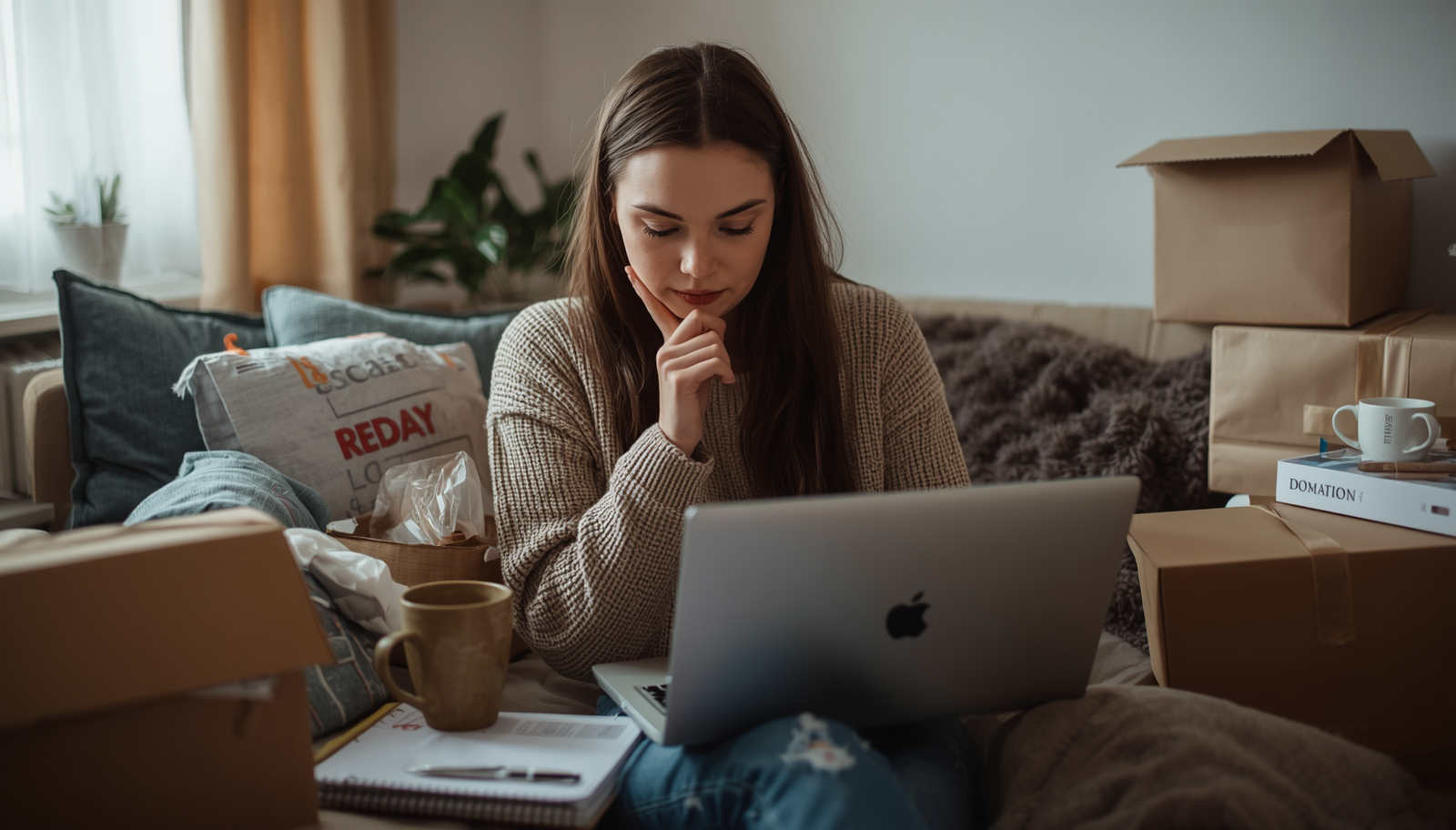
These practical and realistic methods can help you stop buying unnecessary things, reduce emotional spending, and create a calmer, less cluttered life without feeling deprived.
The package arrived while I was still opening another package from the day before. Meanwhile, a closet shelf barely closed properly, my banking app looked mildly offended, and somehow I still caught myself scrolling online sales that same night.
Buying unnecessary things rarely feels dramatic in the moment.
It usually starts with tiny emotional decisions. A stressful day. A boring afternoon. A five-minute scroll through somebody else’s perfectly organized life online. Then suddenly another random item enters your home like it pays rent too.
For a long time, I assumed I lacked discipline. Turns out, most unnecessary spending comes from habits, emotions, convenience, and boredom more than actual need.
Once I understood that, stopping impulse purchases became much easier.
If you want practical ways to reduce clutter, save money, and finally stop shopping out of stress or habit, these 14 surprising methods to stop buying unnecessary things can help without making life feel restrictive.
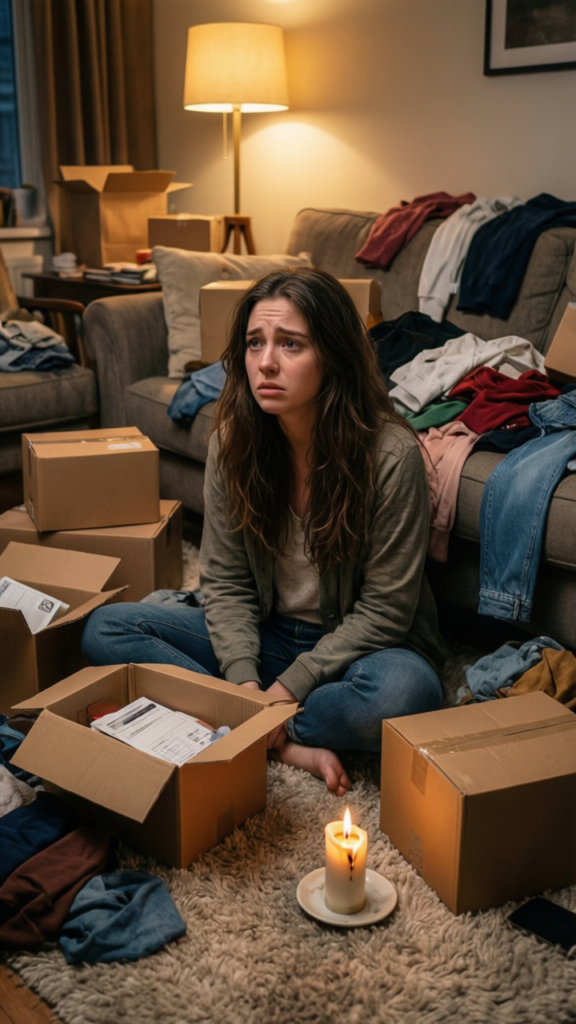
This one sounds painfully simple. Unfortunately, it works.
I started forcing myself to wait 24 hours before buying anything unnecessary online. Half the time I completely forgot about the item by the next day.
Apparently my urgent must-have purchases were emotionally dramatic for no reason 🙂
Impulse fades surprisingly fast when you stop feeding it immediately.
Takeaway: Delaying purchases helps separate emotional wants from real needs.
Retail emails behave like tiny financial jump scares.
One innocent discount notification somehow convinces your brain that buying another candle immediately qualifies as responsible decision-making.
Once I unsubscribed from most store marketing emails, impulse shopping dropped fast.
Less temptation creates fewer unnecessary purchases naturally.
Takeaway: Reducing shopping triggers lowers impulse spending automatically.
This realization personally attacked me.
I noticed I opened shopping apps whenever I felt bored, stressed, overwhelmed, or emotionally tired. Not because I actually needed anything.
Browsing became entertainment.
Your brain often wants stimulation, not more stuff.
FYI, boredom shopping adds clutter faster than people realize.
Takeaway: Emotional awareness helps reduce unnecessary spending habits.
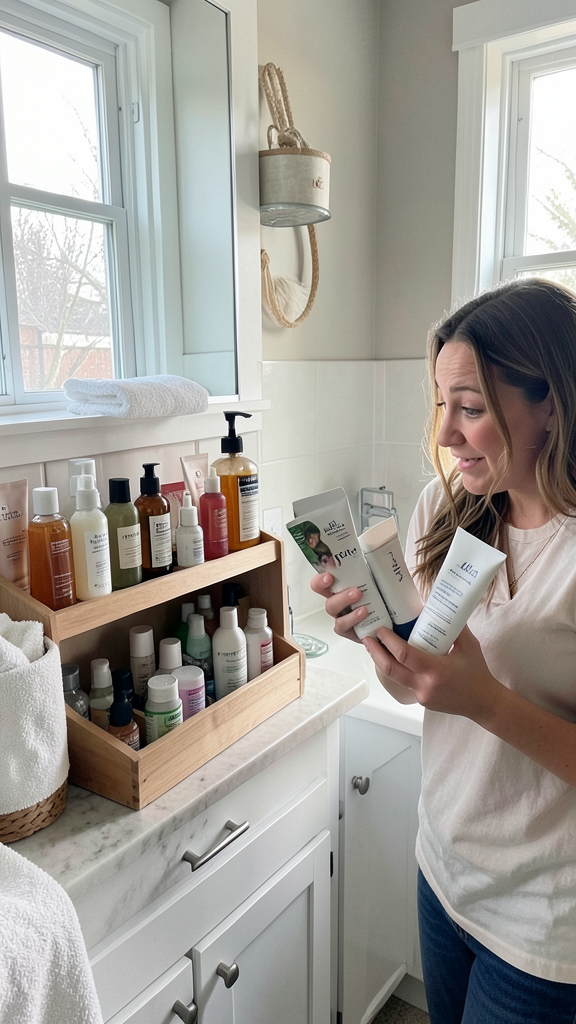
Sometimes people buy new things simply because older things feel inconvenient or hidden.
I reorganized one messy bathroom cabinet and suddenly stopped buying duplicate beauty products because I could finally see what we already owned.
Embarrassing but effective honestly.
Visible items get used more often.
Takeaway: Organized spaces reduce accidental duplicate purchases.
This mindset shift changed my spending habits dramatically.
Instead of thinking something costs forty dollars, I started asking how many working hours it actually represented after taxes.
Suddenly random purchases felt less casual.
A lot of impulse purchases fail that test quickly.
Takeaway: Viewing purchases through time instead of money changes spending behavior.
This sounds strange, but it works beautifully.
Whenever I wanted something non-essential, I added it to a wishlist instead of buying it immediately. Then I reviewed the list later.
Most items lost their emotional excitement surprisingly fast.
Wishlists create emotional distance from impulse buying.
Takeaway: Delayed shopping lists reduce emotional spending decisions.
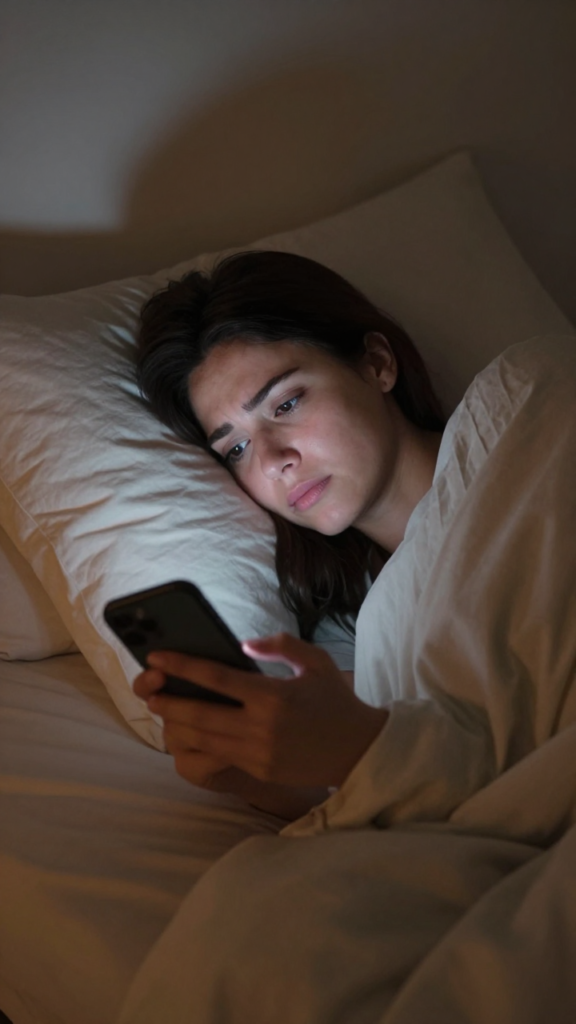
Exhaustion destroys financial judgment.
Some of my worst purchases happened after stressful workdays, difficult parenting moments, or late-night scrolling sessions when my brain wanted comfort instead of logic.
Emotional spending usually solves nothing long term.
I stopped saving payment information on shopping sites. Extra effort creates pause time.
Takeaway: Protecting emotional energy also protects your finances.
This changed my mindset more than expected.
Instead of constantly chasing newer versions of everything, I started appreciating simple routines using items we already had.
Contentment quietly reduces spending.
The less I chased upgrades constantly, the calmer my home started feeling.
Takeaway: Appreciating existing belongings naturally reduces unnecessary shopping.
One month I wrote down every unnecessary purchase without judging myself.
The patterns became painfully obvious immediately.
Awareness creates change faster than guilt.
Patterns matter.
Takeaway: Tracking emotional spending habits increases financial awareness quickly.
Digital payments feel weirdly invisible sometimes.
Cash creates physical awareness because you literally watch money disappear from your hands. Dramatic experience honestly.
Once the cash runs out, spending naturally slows down.
Takeaway: Physical cash increases spending awareness immediately.
Nothing destroys financial peace faster than constant comparison.
One minute you feel content. Then suddenly somebody online shows a perfectly renovated kitchen, luxury skincare routine, and color-coded pantry that apparently changed their entire life.
Meanwhile your laundry basket still looks emotionally unstable.
Comparison creates artificial dissatisfaction.
Takeaway: Less comparison leads to less pressure to consume constantly.
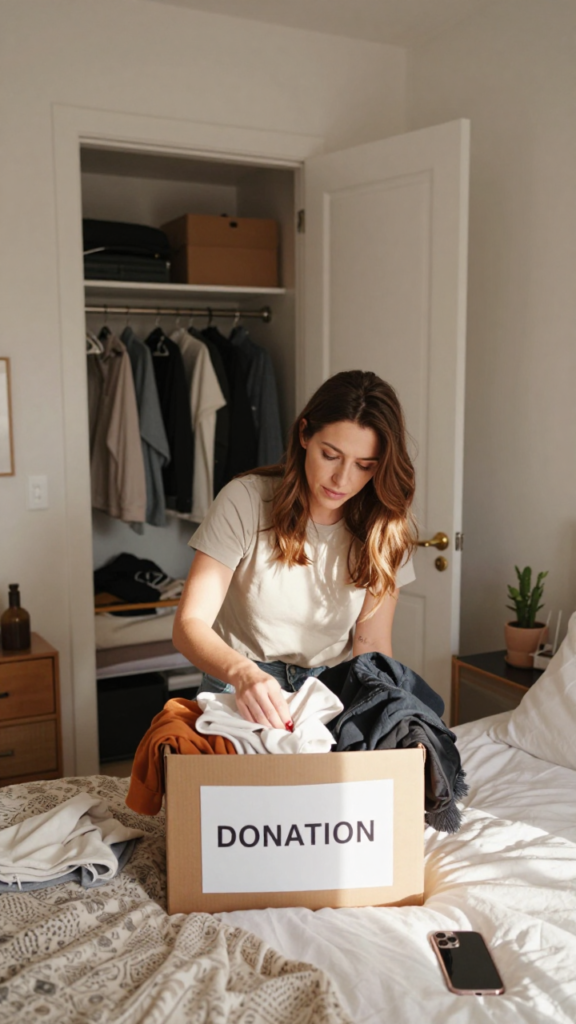
This trick surprised me.
Once I started regularly donating unused household items, I became much more careful about bringing new things into the house.
Decluttering increases awareness.
Physically handling excess clutter changes shopping behavior emotionally.
Takeaway: Regular decluttering helps reduce future unnecessary purchases.
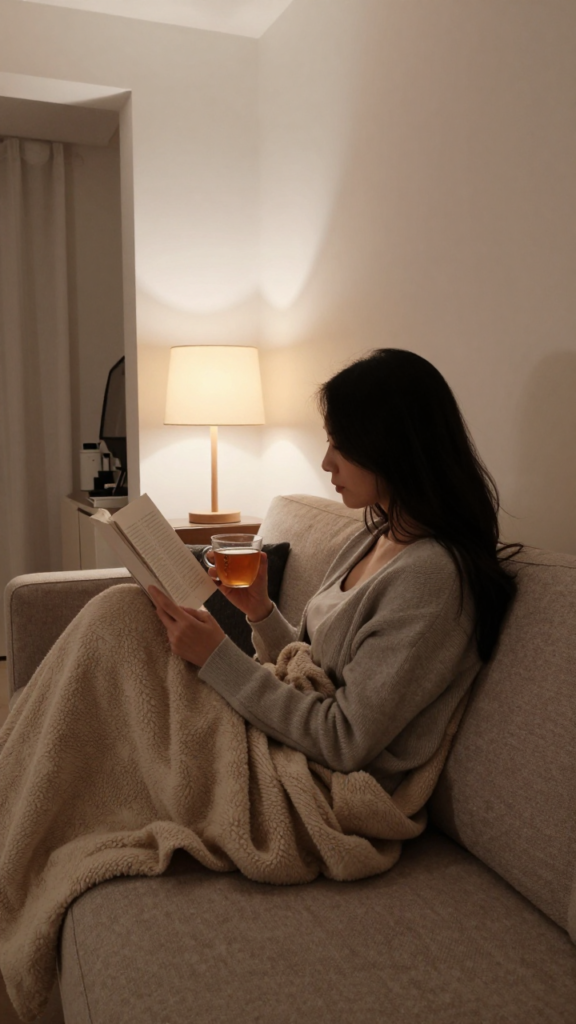
Impulse shopping creates quick excitement. Financial stability creates lasting calm.
One lasts about twenty minutes. The other improves daily life continuously.
That shift in focus made unnecessary spending feel less appealing over time.
IMO, peace feels better than constant consumption.
Takeaway: Prioritizing stability reduces emotional attachment to shopping.
This may be the most important lesson.
You will still occasionally buy random unnecessary things because you are human. A single impulse purchase does not erase all financial progress.
Perfection is not the goal.
Small improvements matter more than flawless behavior.
I stopped viewing shopping mistakes as personal failures and started treating them as information.
That mindset made lasting habits easier to build 🙂
Takeaway: Consistent awareness creates stronger spending habits than perfection.
Understanding the reason behind spending habits matters more than strict budgeting rules.
Most impulse shopping solves emotional discomfort temporarily, not actual needs.
That realization changes everything.
Learning how to stop buying unnecessary things is less about becoming extremely disciplined and more about understanding your habits honestly.
One delayed purchase. One unsubscribed email. One less stress-shopping session. Those small choices slowly create calmer finances and less cluttered homes over time.
You do not need to become a minimalist overnight. You just need systems that help you pause before spending automatically.
And honestly, peace feels a lot better than another random package at the front door.