Physical Address
304 North Cardinal St.
Dorchester Center, MA 02124
Physical Address
304 North Cardinal St.
Dorchester Center, MA 02124

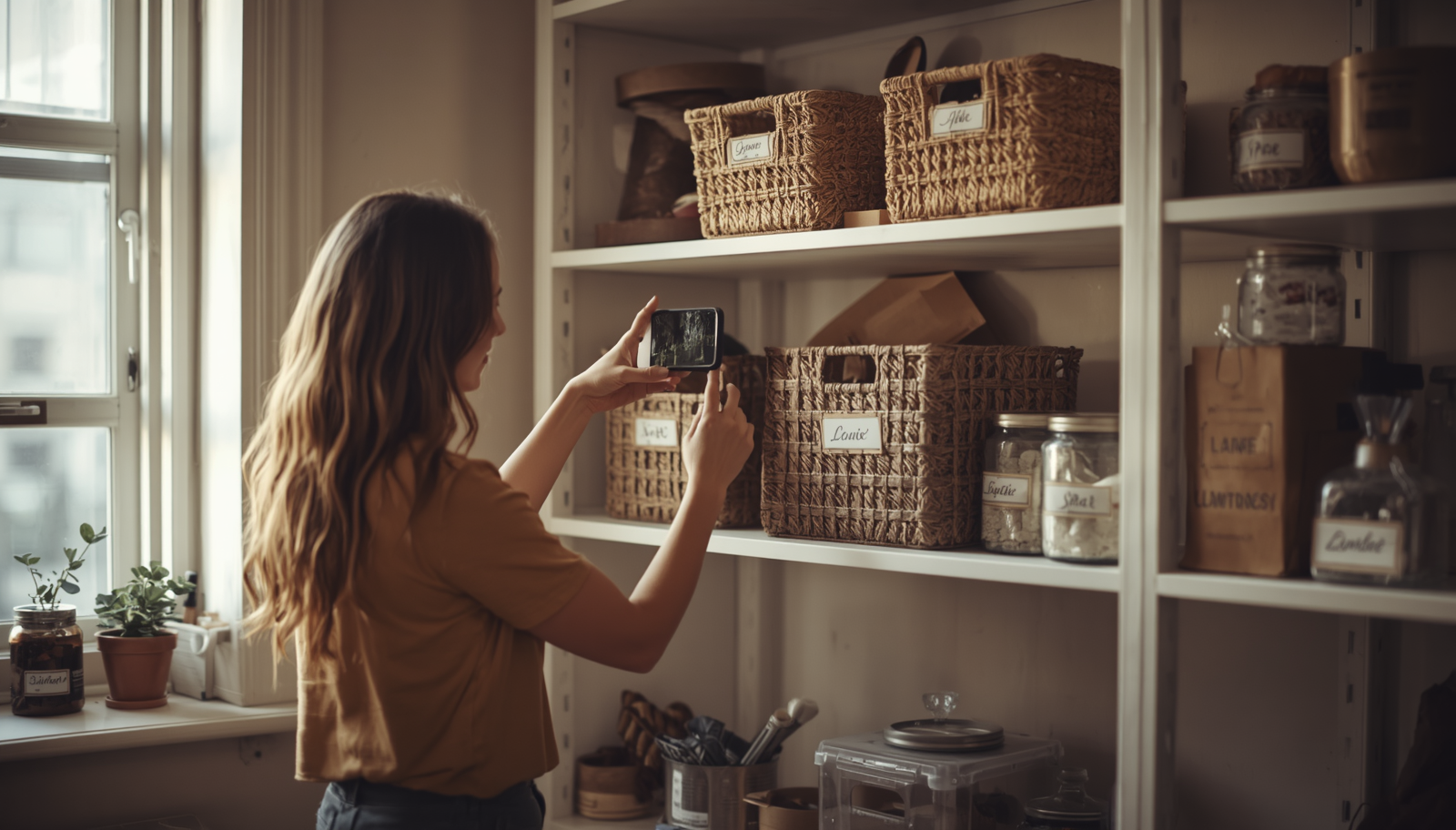
These frugal home organization tips can help you reduce clutter, stop wasting money on unnecessary storage solutions, and create a calmer home that actually works for real life.
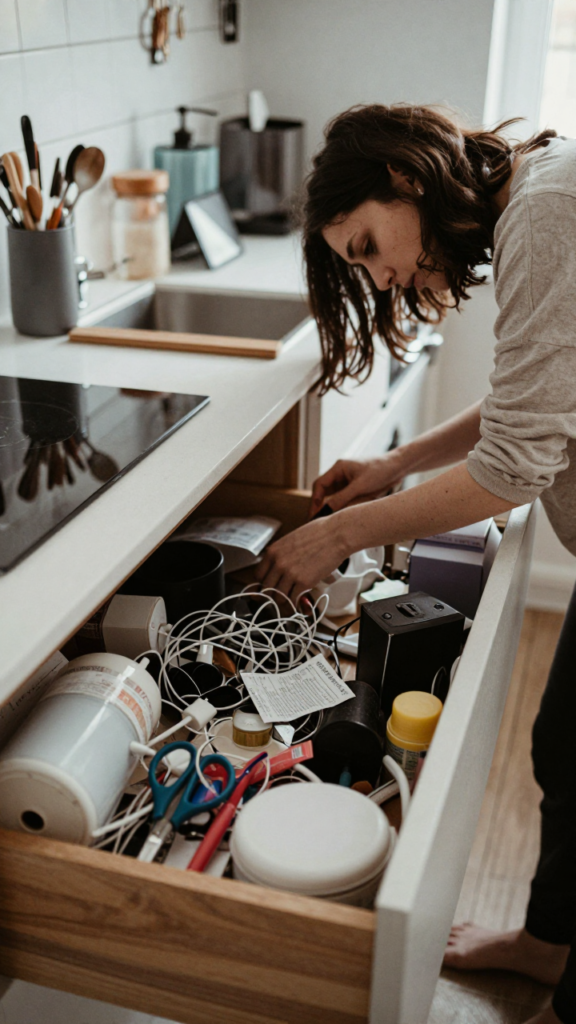
The drawer would barely close, the pantry somehow contained three half-open pasta boxes, and I still could not find the scissors again. Meanwhile, I kept thinking the solution was buying more storage bins like some kind of emotionally exhausted home organization detective.
Turns out, clutter gets expensive fast.
A messy home quietly encourages overspending because people lose things, buy duplicates, forget what they own, and constantly chase quick organizational fixes that never fully work. I learned this the hard way after buying decorative baskets that looked beautiful online but solved absolutely nothing in real life.
Real frugal home organization is not about creating a perfect Pinterest house. It is about making your home easier to manage without wasting money on unnecessary systems.
These 13 expert tips on frugal home organization helped me create a calmer home while spending less money and wasting less stuff.
This single habit saved me from wasting so much money.
Most people buy storage containers before actually reducing clutter. Then the home still feels crowded because the problem was never lack of bins.
Less stuff naturally creates more space.
Half the time I already owned enough containers hidden somewhere else in the house 🙂
Takeaway: Decluttering first prevents unnecessary spending on storage products.
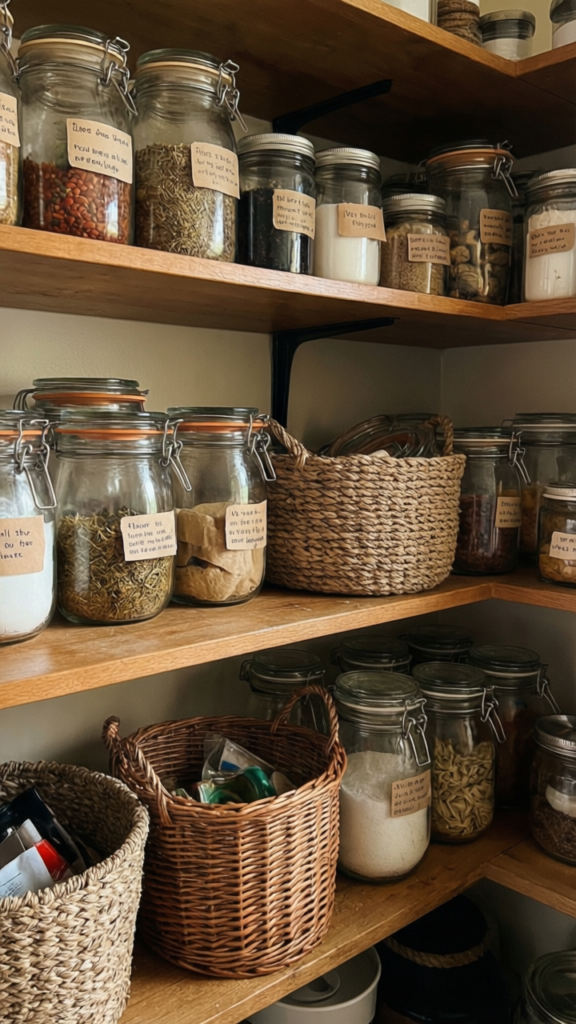
Fancy home organization products add up quickly.
Meanwhile, most homes already contain perfectly usable storage solutions.
Frugal home organization works best when functionality matters more than appearance.
Matching bins look nice online, but real life usually looks slightly chaotic anyway.
And honestly, that is fine.
Takeaway: Repurposing existing containers keeps home organization affordable.
This changed everything for me.
I used to organize rooms based on how I thought they should look instead of how we actually lived inside them.
That never lasted long.
Homes function better when systems match real habits.
FYI, forcing unrealistic organization systems usually fails within three days.
Takeaway: Organizing around real daily habits creates systems that actually last.
Clutter and overspending often connect directly.
Messy homes make it harder to see what already exists, which leads people to rebuy things constantly.
Once I organized these spaces properly, unnecessary shopping dropped noticeably.
I found four nearly identical black leggings hidden in different laundry baskets once :/
Takeaway: Organized homes reduce duplicate spending significantly.
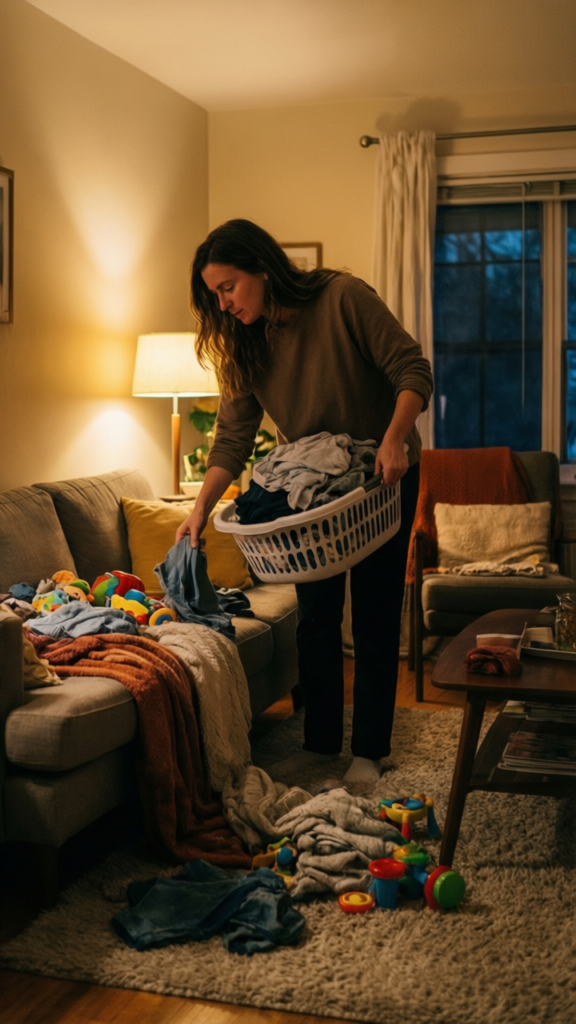
Home organization becomes overwhelming when people wait until everything feels disastrous.
Tiny reset routines prevent that buildup.
Small habits create calmer homes over time.
Cleaning stopped feeling impossible once I focused on maintenance instead of perfection.
Takeaway: Small daily resets prevent major home clutter from building up.
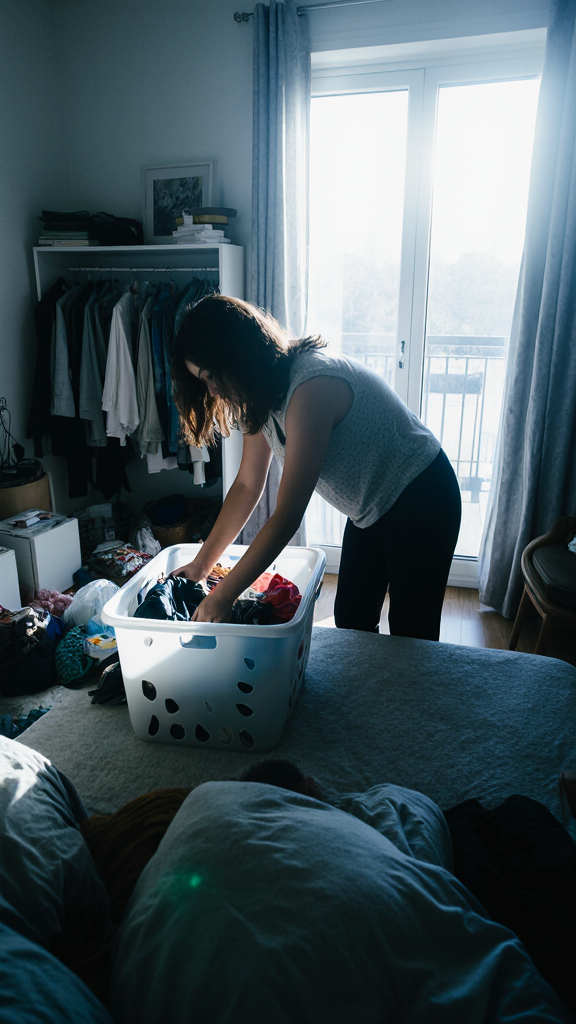
Out of sight usually means forgotten.
Keeping an accessible donation basket made decluttering much easier because I could immediately remove unused items instead of creating mysterious clutter piles around the house.
The less emotional buildup around decluttering, the easier it becomes.
The house felt lighter every time the donation bag left the door.
Takeaway: Visible donation systems make decluttering more consistent and realistic.
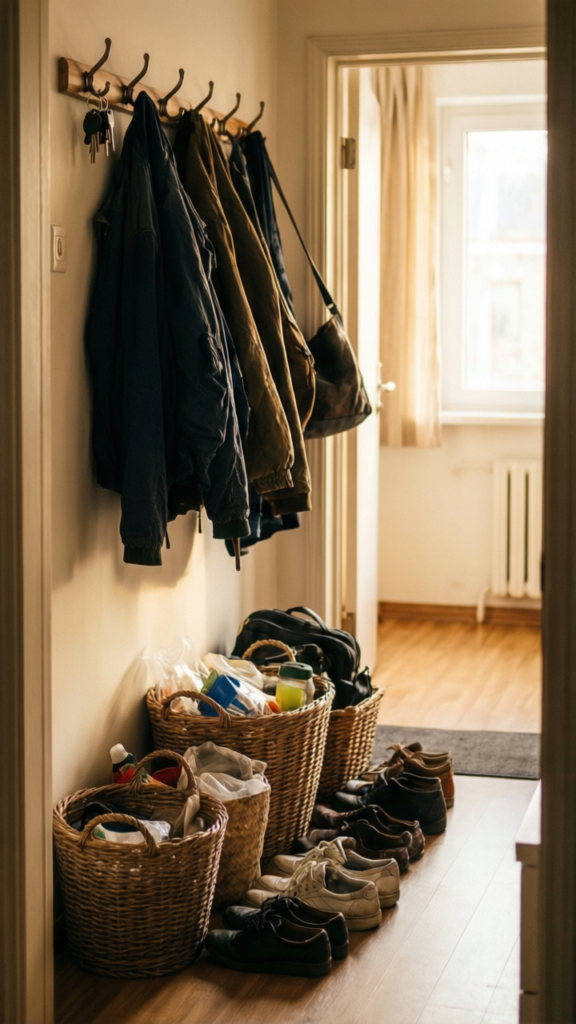
Not every space needs intense organization immediately.
Focus first on the areas that affect daily stress levels most.
Improving these spaces creates fast emotional relief.
Nobody cares if your holiday decoration closet looks chaotic while your kitchen functions beautifully.
Takeaway: Organizing frequently used spaces creates the biggest daily impact.
Social media makes home organization look suspiciously expensive.
Suddenly everybody owns acrylic containers for snacks they probably still eat directly from the box anyway.
A lot of trendy organization products solve aesthetic problems instead of practical ones.
Those questions save money quickly.
IMO, peaceful homes matter more than photogenic pantry labels.
Takeaway: Functional organization works better than trend-based organization spending.
You do not need expensive label makers for this.
Simple labels reduce clutter because people actually know where things belong.
Organization becomes easier when systems feel obvious.
Simple handwritten labels reduced random clutter piles dramatically.
Takeaway: Clear labeling helps maintain organized systems long term.
Small homes especially benefit from vertical storage.
Walls, doors, and cabinet interiors often contain unused organizing opportunities.
You do not always need more space. Sometimes you simply need better use of existing space.
Floor clutter makes homes feel stressful faster than almost anything else.
Takeaway: Vertical storage creates more function without increasing clutter.
Cleaning becomes easier when supplies stay accessible.
Before organizing cleaning products, I wasted time walking room to room hunting for spray bottles like an exhausted scavenger hunt participant.
Simple systems save time and reduce frustration.
Keeping basic supplies in multiple high-use areas made quick cleaning much easier.
Takeaway: Accessible cleaning systems help maintain organized homes consistently.
This one hit me personally.
I kept creating complicated systems for hobbies, routines, and habits that barely existed in reality.
Meanwhile, the actual daily mess remained untouched.
Realistic systems work better than fantasy lifestyle systems.
Your home should support your actual life, not your imaginary highly productive alter ego 🙂
Takeaway: Realistic home organization systems last longer than aspirational ones.
Perfection-focused organization becomes exhausting quickly.
Real homes contain laundry baskets, snack wrappers, school papers, and random life clutter sometimes. That does not mean failure.
A calmer home matters more than a flawless one.
Frugal home organization works best when it supports everyday life instead of creating more pressure.
Takeaway: Functional calm matters more than picture-perfect organization.
A well-organized home quietly improves financial habits in ways people often overlook.
When you know what you own, you naturally spend more intentionally.
That awareness changes everything.
A lot of home organization problems actually come from overcomplicating things.
Simple systems people maintain consistently work best.
Home organization should make life easier, not create another exhausting project.
These expert tips on frugal home organization are not about creating a perfect designer home.
They are about reducing stress, saving money, and making everyday life feel easier to manage.
Declutter first. Use what you already own. Organize around real habits. Focus on function over perfection. Create small routines that support daily life realistically.
Those small changes quietly create calmer homes over time.
And honestly, a peaceful home usually has less to do with expensive storage products and more to do with simple systems that actually work.