Physical Address
304 North Cardinal St.
Dorchester Center, MA 02124
Physical Address
304 North Cardinal St.
Dorchester Center, MA 02124


Simple weekly budget planning habits that help families stay organized, reduce stress, and feel more in control of their money.
The week starts with good intentions. Then midweek hits, and suddenly there are extra groceries, a quick online order, and a random expense you did not see coming. By Sunday, you are wondering where the money actually went.
It is not a lack of effort. It is the lack of a simple system that fits real life.
If your finances feel a little scattered, these 12 weekly budget planning ideas for families to stay organized will help you feel back in control without turning your home into a finance office.


Trying to track finances randomly never works. You need a set day.
For our family, Sunday evenings feel right. Calm, quiet, and just enough motivation to reset.
Add coffee or snacks if needed. No one said budgeting had to feel boring 🙂
Takeaway: A fixed weekly routine creates consistency without effort.
Before planning ahead, look back.
Not in a judgmental way. Just awareness.
I used to skip this step and wondered why nothing improved.
Takeaway: You cannot improve what you do not review.
Monthly budgets feel too far away. Weekly limits feel real.
Break your monthly budget into smaller chunks.
This keeps you from overspending early in the month.
Takeaway: Weekly limits make budgeting easier to follow.
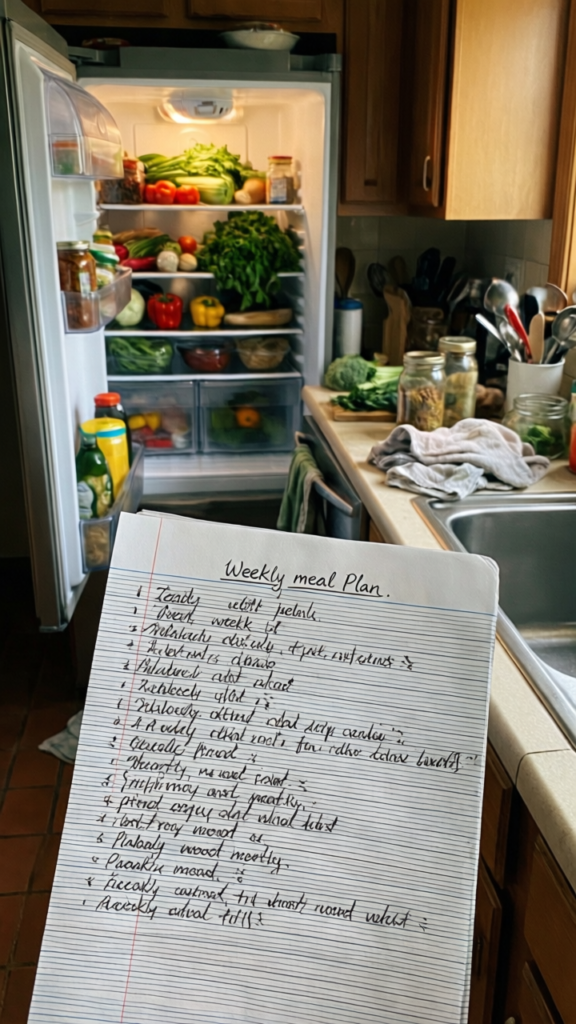
Meal planning is not just about food. It is about controlling spending.
Without a plan, you end up buying random things and ordering takeout.
This alone can cut your grocery bill significantly.
Takeaway: Meal planning reduces both food waste and overspending.
Look ahead before the week starts.
School events, birthdays, subscriptions, anything that might require money.
This avoids those surprise expenses that throw everything off.
Takeaway: Planning ahead keeps surprises from becoming stress.
This sounds more intense than it is.
It simply means deciding where your money goes before you spend it.
Even rough categories help you stay organized.
IMO, this step makes everything feel clearer fast.
Takeaway: Giving money a purpose prevents random spending.
If you manage money with a partner, keep everything visible.
No guessing, no confusion.
My husband and I keep it basic. The simpler it is, the more likely you use it.
Takeaway: Shared systems reduce miscommunication and stress.

Waiting until the end of the week is risky.
Check in around midweek to stay on track.
It takes five minutes and saves you from overshooting your budget.
Takeaway: Midweek check-ins keep you in control.
No week goes exactly as planned.
There is always something extra.
Add a small buffer so these do not break your system.
FYI, this category has saved my sanity more than once.
Takeaway: A buffer turns surprises into manageable moments.
Impulse buys are the quiet budget killers.
Especially during busy weeks when you feel tired.
Most of the time, the urge passes.
And if it does not, you probably actually need it.
Takeaway: Slowing down your decisions protects your budget.

Budgeting can feel like constant restriction if you let it.
So celebrate progress.
We sometimes treat ourselves to a simple dessert at home. Nothing fancy, just a small reward.
Takeaway: Recognizing progress keeps you motivated.
No plan works perfectly every time.
That is normal.
This keeps your system flexible instead of frustrating.
Yes, some weeks will feel messy 😀
Takeaway: Progress comes from adjusting, not perfection.
Life with a family is unpredictable. Kids, schedules, work, everything changes quickly.
That is why weekly planning works better than rigid monthly systems.
These 12 weekly budget planning ideas for families to stay organized fit into real life. They are flexible, simple, and easy to repeat.
You are not trying to control every detail. You are building awareness and consistency.
Takeaway: Weekly systems adapt better to real family life.
Staying organized with money does not require complicated tools or perfect discipline. It comes down to small weekly habits that keep you aware and in control.
Start with one or two ideas from this list. Let them become part of your routine. Then build from there.
Over time, these small actions create a system that works without constant effort.
And honestly, feeling organized with your finances makes everything else in life feel a little calmer too.