Physical Address
304 North Cardinal St.
Dorchester Center, MA 02124
Physical Address
304 North Cardinal St.
Dorchester Center, MA 02124


Simple and practical budgeting tips to help families stay organized, avoid overspending, and enjoy the holidays without financial stress.
The cart fills up faster than expected. A few gifts, some decorations, extra groceries, and suddenly the total feels uncomfortable. You tell yourself it is fine, you will figure it out later. Later usually means January stress.
That quiet pressure shows up every year. Not because you are careless, but because the season moves fast and spending sneaks in.
If you want to feel calm instead of reactive this year, these 12 smart budgeting tips for families before holiday spending starts will help you stay organized and in control.
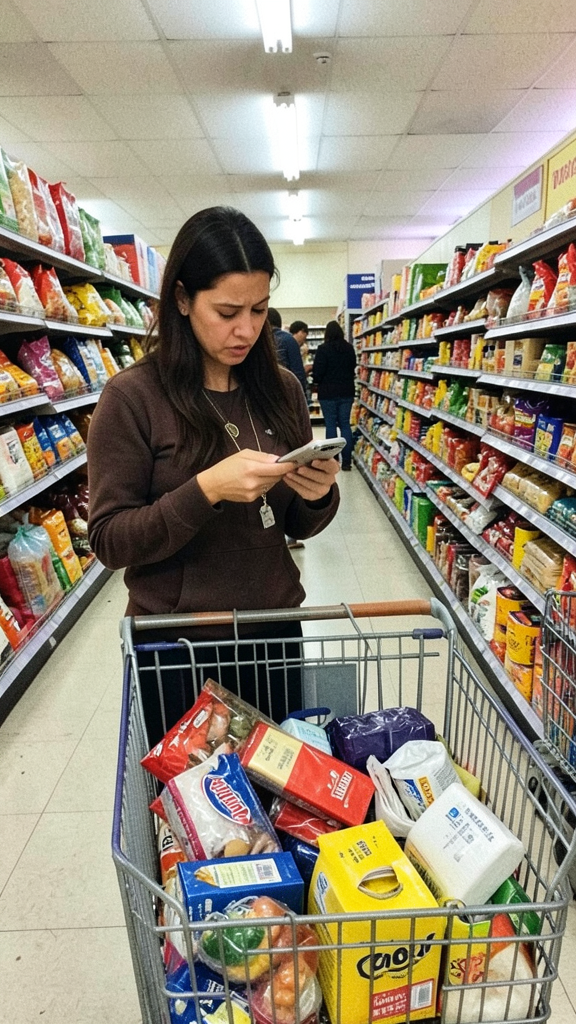
Before you buy anything, decide your total limit.
Not a guess. A real number based on your income.
This gives your money structure before emotions take over.
Takeaway: A clear budget protects you from last-minute overspending.
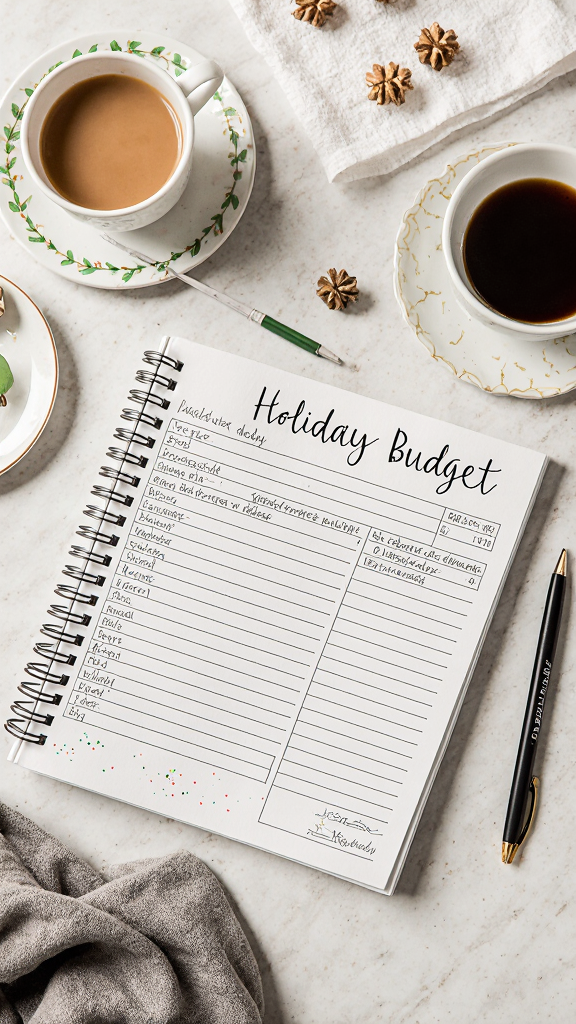
It sounds simple, but it prevents forgetting people and scrambling later.
I used to forget at least one person every year and rush to fix it.
Takeaway: A complete list helps you plan without stress.
Once your list is ready, assign an amount to each person.
This removes that awkward moment of wondering if you spent enough.
Takeaway: Per-person limits keep your spending balanced.
Separate your holiday money from your daily spending.
Even small amounts add up over time.
FYI, this is one of the easiest ways to stay organized.
Takeaway: A dedicated fund keeps holiday spending controlled.

Waiting until the last minute leads to overspending.
I started shopping earlier one year and felt a huge difference.
Takeaway: Early planning reduces pressure and bad decisions.

Do not wait until the end to check your totals.
It takes a few seconds and saves a lot of regret.
Takeaway: Tracking keeps your spending aligned with your plan.
Instead of one large budget, break it into smaller pieces.
This keeps your spending steady.
IMO, this is what makes budgeting feel manageable.
Takeaway: Weekly limits prevent early overspending.
Food costs can easily go over budget.
You avoid those expensive last-minute grocery trips.
Takeaway: Meal planning keeps food spending under control.
Holiday shopping creates a lot of temptation.
Most impulse buys lose their appeal quickly.
Yes, even those cozy extras 🙂
Takeaway: Slowing down decisions reduces unnecessary spending.

Avoid misalignment before it becomes a problem.
My husband and I used to skip this step. It always came back to annoy us.
Takeaway: Clear communication prevents financial tension.
Something unexpected always comes up.
Add a small cushion so these do not throw off your plan.
Takeaway: A buffer keeps surprises from becoming stress.
It is easy to get caught up in buying more.
But more does not always mean better.
Some of our best holidays were the simplest ones.
And honestly, they felt less stressful 😀
Takeaway: Meaningful moments matter more than expensive purchases.
These 12 smart budgeting tips for families before holiday spending starts work because they shift you from reacting to planning.
Instead of guessing, you know your limits. Instead of rushing, you move with intention.
That changes how you spend and how you feel.
You stop questioning every purchase. You stop carrying that quiet stress in the background.
Takeaway: Planning early gives you clarity and confidence.
Holiday spending does not have to feel overwhelming or chaotic. A few simple habits can completely change your experience.
Start with one or two of these tips. Keep it realistic. Build from there.
You are not trying to create a perfect plan. You are creating a calm and controlled approach that works for your family.
And that feeling of being prepared is worth more than anything you could add to your cart at the last minute.