Physical Address
304 North Cardinal St.
Dorchester Center, MA 02124
Physical Address
304 North Cardinal St.
Dorchester Center, MA 02124


A practical and relatable guide filled with frugal living tips to accelerate your savings while reducing financial stress and creating a calmer, more intentional family life.
The debit card declined over a pack of diapers and some groceries while I stood there pretending to reorganize items on the checkout screen like that would magically fix the problem.
That kind of moment stays with you.
Not because the amount was huge. It usually never is. It is the slow buildup of everyday spending that catches people off guard. Groceries get pricier. Utility bills creep up. One quick coffee run turns into three. Suddenly your savings account looks personally offended every payday.
That was the point where I realized something important.
Saving money rarely comes from one giant life change. Most of the time it comes from smaller frugal habits repeated consistently enough to finally create breathing room.
And honestly, frugal living is not nearly as miserable as people make it sound 🙂
These 12 frugal living tips to accelerate your savings helped our family reduce stress, save more money, and stop feeling financially behind all the time.

A lot of people try aggressive budgets that basically remove all joy from life.
That usually lasts about eleven minutes.
Frugal living works differently. It focuses on spending intentionally instead of emotionally.
That means:
The goal is not looking cheap.
The goal is creating financial peace.
Takeaway: Frugal living works best when it feels sustainable instead of emotionally restrictive.
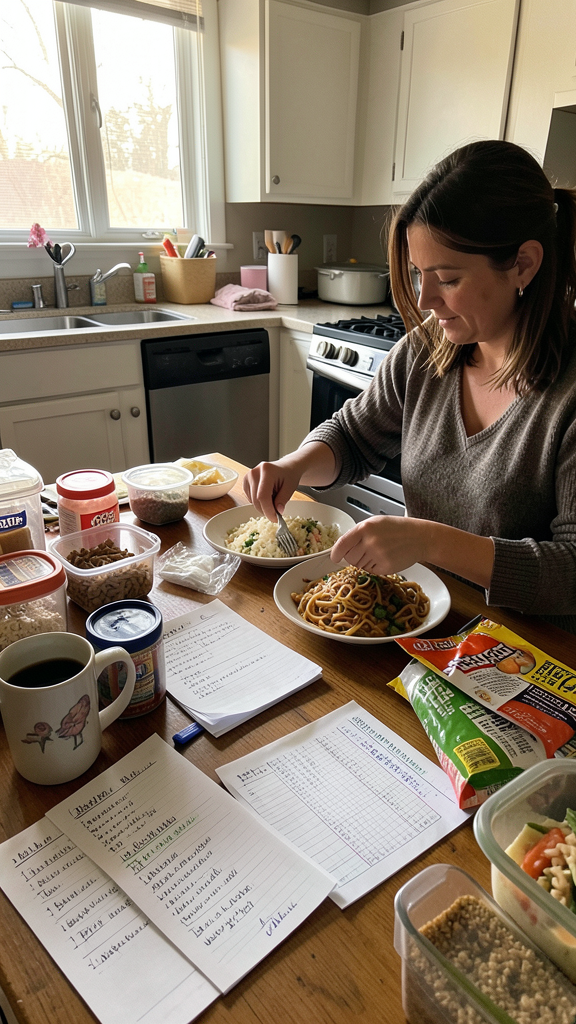
This one changed our grocery budget dramatically.
Before meal planning, I walked into grocery stores with vague optimism and absolutely no strategy. Dangerous combination honestly.
Now I plan meals before shopping and check what we already own first.
The less random your grocery shopping becomes, the faster your savings grow.
FYI, nobody needs seventeen sauces sitting expired in the refrigerator door.
Convenience spending drains money quietly.
Food delivery. Drive-thru coffee. Last-minute shopping. Same-day shipping. Everything becomes easier and more expensive simultaneously.
Sometimes convenience matters genuinely.
But sometimes we are just tired and unwilling to plan ahead.
Small planning habits save surprising amounts monthly.
Impulse spending thrives on emotional urgency.
That is why the waiting rule works so well.
Before buying nonessential items:
Most impulse purchases lose emotional power pretty quickly :/
That final question ruins many questionable online shopping decisions immediately.
Buying secondhand saved our family thousands.
Especially after becoming parents.
Kids outgrow everything at alarming speed. Clothes. Shoes. Toys. Furniture. Apparently children treat household budgets like a competitive sport.
We started buying used whenever possible and realized most items still looked perfectly fine.
Frugal living becomes easier once you stop expecting everything to be brand new.
Takeaway: Buying used items reduces spending dramatically without lowering everyday quality of life.

A lot of families spend money trying to create meaningful memories.
But honestly, some of our favorite family moments cost almost nothing.
Examples:
Simple traditions become emotionally valuable because of consistency, not price.
Funny how children often care more about attention than expensive activities.
This part feels uncomfortable initially.
Still necessary.
A lot of people underestimate spending because small purchases feel harmless individually.
Then suddenly:
Tracking spending creates awareness quickly.
Tiny leaks sink savings goals slowly over time.
This strategy reduced takeout spending massively for us.
Because sometimes people order expensive food simply because they are exhausted and have no backup plan.
Now we keep:
Nothing fancy.
Just enough to prevent expensive desperation spending.
Preparedness reduces emotional spending.
And honestly, tired parents make questionable financial decisions after 6 p.m. IMO.
Subscriptions multiply quietly like financial gremlins.
Streaming services. Fitness apps. Monthly memberships. Random free trials nobody remembered signing up for.
One afternoon we reviewed every subscription carefully and canceled most of them.
Painful for five minutes.
Helpful every month afterward.
Tiny recurring charges quietly destroy savings progress.
Takeaway: Cutting unnecessary subscriptions creates automatic monthly savings with very little effort.
This habit changed my spending mindset completely.
A lot of people shop because:
Shopping becomes emotional very quickly.
Once I noticed that pattern, unnecessary spending became easier to control.
Your savings account appreciates hobbies that do not require checkout screens.

Saving manually sounds good in theory.
Then life happens.
Automatic transfers work better because they remove decision fatigue completely.
We started moving money automatically into savings immediately after payday.
Best financial habit ever honestly.
Sometimes the smartest strategy is simply making saving feel boring and automatic.
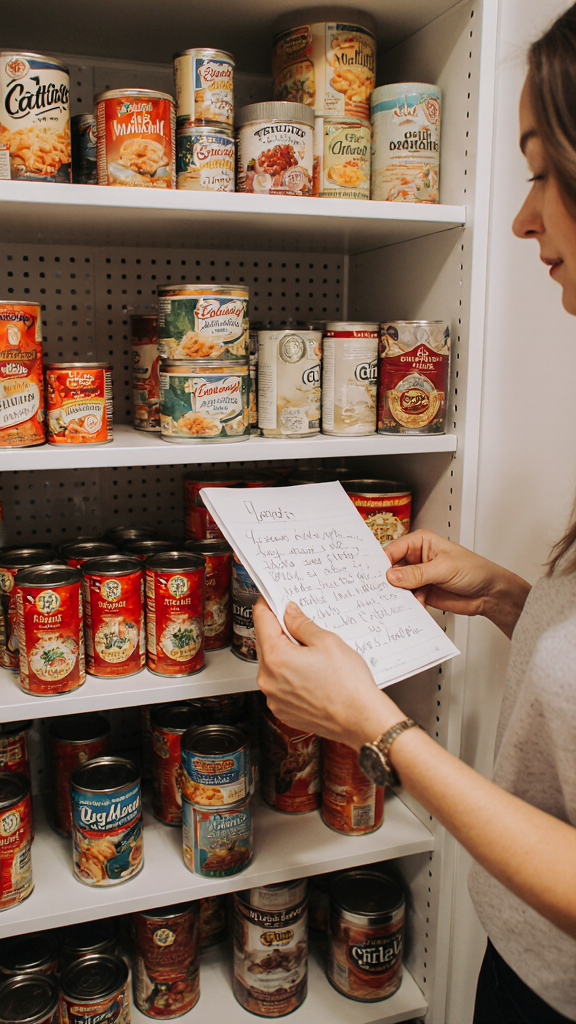
This sounds painfully obvious.
Still surprisingly difficult.
People often buy duplicates because:
I once bought more pens while owning an entire drawer full already. Apparently office supplies reproduce secretly.
Using existing items stretches money further naturally.
This frugal living tip matters emotionally more than financially.
Comparison fuels unnecessary spending constantly.
People see:
Then ordinary life suddenly feels inadequate.
But social media rarely shows:
Real financial peace matters more than looking wealthy online 🙂
Takeaway: Reducing comparison helps prevent emotional spending and protects long-term savings goals.
Even good intentions can backfire.
Extreme restriction creates burnout quickly.
Stress affects money decisions constantly.
Financial improvement should feel sustainable.
Savings growth usually happens gradually.
Slow progress still matters.
The biggest shift was emotional honestly.
Before embracing frugal living habits, money constantly felt stressful. Every unexpected expense triggered anxiety immediately.
Eventually things started changing:
Not perfect.
Just less chaotic.
And honestly, calmer finances improve everything else too.
These 12 frugal living tips to accelerate your savings work because they fit real everyday life.
Not fantasy internet life where everyone meal preps perfectly, never impulse shops, and apparently enjoys folding laundry recreationally.
Real family life gets messy.
Budgets get imperfect.
Unexpected expenses happen.
Still, consistent small habits create real financial progress over time.
Because honestly, saving money rarely comes from giant dramatic sacrifices.
Usually it comes from ordinary decisions repeated often enough to finally change your future.