Physical Address
304 North Cardinal St.
Dorchester Center, MA 02124
Physical Address
304 North Cardinal St.
Dorchester Center, MA 02124


A real-life guide to how families on one income can spend less, stress less, and quietly build a more stable life through simple everyday choices.
The grocery total flashes on the screen, and it is higher than expected. Again. One income, a growing kid, and a list that somehow never gets shorter. You stand there doing quick math in your head, quietly deciding what goes back on the shelf. No big drama. Just another small moment that adds up.
That is where frugal living really starts. Not with some grand plan, but in these tiny decisions that repeat every week.
I run a household on one income. I have made mistakes, wasted money, and learned things the hard way. These tips are not perfect, but they work in real life.

When only one paycheck comes in, every decision carries more weight. There is less room for careless spending and more need for intention.
Frugal living is not about being cheap. It is about being clear on what actually matters and cutting the rest without guilt.
Takeaway: Frugal living is not restriction. It is direction.

Before you try anything fancy, figure out your survival number. This is the amount you need to cover:
Ignore everything else for now. Strip it down.
When we first did this, I realized how much we were spending on things that felt small but added up fast. Snacks, subscriptions, random online orders at midnight. You know the ones.
Once you know your baseline, everything else becomes optional.
Takeaway: Clarity removes stress faster than cutting random expenses.

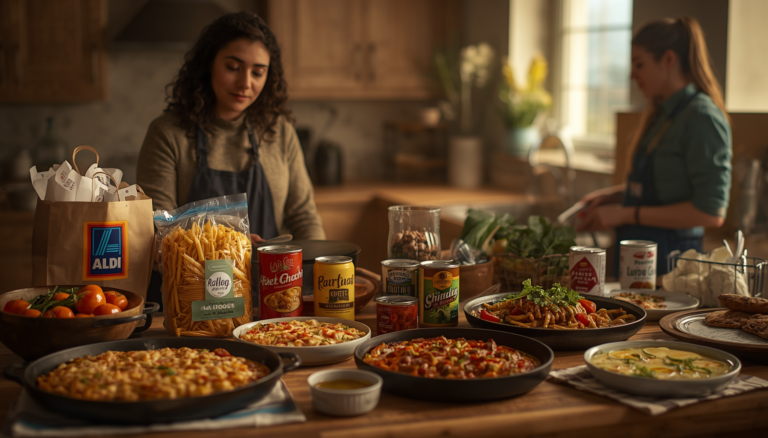
Meal planning sounds boring until you skip it and spend triple at the store.
I keep it simple. Five dinners, repeat lunches, flexible weekends.
What works for us:
And yes, there are nights when dinner looks like leftovers plus something random. That still counts 🙂
Takeaway: Food is one of the easiest places to save without feeling deprived.
Walking into a store without a plan is expensive.
A few habits changed everything:
I used to grab whatever looked good. Now I pause and think, do we need this or do I just want it right now
Big difference.
Takeaway: Small grocery habits create big monthly savings.
Subscriptions are sneaky. They feel small, but together they can eat a chunk of your budget.
Sit down and list them all:
Cancel anything you do not use weekly. Be honest.
We kept one streaming service and rotate others when needed. It sounds extreme, but it works.
Takeaway: If you forgot you were paying for it, you probably do not need it.

Kids grow fast. Furniture gets replaced. Trends change.
Buying secondhand saved us more than I expected.
Look for:
Some of our best finds came from local groups and resale apps. And honestly, half the time they look brand new.
Takeaway: Used does not mean lower quality. It often means smarter spending.
Monthly budgets are helpful, but weekly limits feel more real.
Break your flexible spending into weekly amounts. For example:
Once the weekly amount is gone, it is gone.
This keeps spending in check before things spiral. It also forces better decisions midweek, which is where most budgets fail.
Takeaway: Weekly limits make spending feel immediate and controllable.
You do not need to become a full-on expert, but a few skills go a long way.
Start with:
I once paid for a simple repair that I later learned took ten minutes to fix. That one hurt a little, not going to lie :/
Now I at least try before calling for help.
Takeaway: Every small skill you learn saves money again and again.

Pick a few days each week where you spend nothing.
No online shopping. No snacks. No quick coffee runs.
At first, it feels restrictive. Then it becomes freeing.
You start realizing how often spending comes from boredom, not need.
Takeaway: Not spending is a skill. It gets easier with practice.
Frugal living fails when everyone pulls in different directions.
Sit down and decide:
For us, we chose family time and simple outings over expensive experiences. That made it easier to say no to things that did not fit.
Even kids can understand simple priorities if you explain them honestly.
Takeaway: Shared priorities reduce conflict and impulse spending.
Some spending areas are harder to control. For us, it was eating out and random extras.
Switching to cash helped.
Once the cash is gone, that is it. No tapping a card and pretending it does not count.
It feels old school, but it works surprisingly well. FYI, it also makes you think twice before spending.
Takeaway: Physical limits create stronger discipline than digital ones.
Saving feels hard on one income, but even a small buffer helps.
Start with something realistic:
The goal is not perfection. It is protection.
When something unexpected happens, and it will, you will not need to rely on credit immediately.
Takeaway: A small cushion can prevent bigger financial stress later.
This one matters more than all the others.
Frugal living is not just about numbers. It is about mindset.
There was a time when I felt like we were missing out because we were not spending like others. But when I looked closer, we had what we needed. A stable home, food, time together.
That shifted everything.
Takeaway: When you define enough clearly, spending naturally falls into place.
Let’s be honest. Living on one income is not always smooth.
You will face:
There are days when you will want to give up and just spend without thinking. I have done that. More than once.
The key is not perfection. It is consistency over time.
Takeaway: Progress matters more than perfect discipline.
Each tip alone might seem small. But together, they create a system.
You spend less without feeling deprived. You save more without forcing it.
Over time, you notice:
That is the real win.
Living on one income changes how you see money. It forces you to slow down and question habits that once felt normal.
These 12 frugal living tips for families on one income to save more are not about doing everything perfectly. They are about doing enough, consistently.
If there is one thing worth remembering, it is this. You do not need more income to feel more in control. You need clearer choices.
And those small choices you make today, even the ones that feel insignificant, are quietly building something stronger for your family.