Physical Address
304 North Cardinal St.
Dorchester Center, MA 02124
Physical Address
304 North Cardinal St.
Dorchester Center, MA 02124


The panic started in the parking lot after a completely normal Target run somehow turned into a receipt long enough to qualify as a historical document. I walked in for toothpaste and laundry detergent. I walked out with throw pillows, snacks, seasonal candles, and absolutely no memory of making those decisions.
That is the sneaky thing about money. Most people are not blowing cash on yachts and designer handbags. We lose money through tiny habits that feel harmless in the moment.
After one too many months of wondering where our paycheck disappeared, I started looking for realistic ways to cut costs without making life depressing. No extreme couponing. No washing paper plates. Just practical thrifty living hacks that actually fit real family life.
These 12 creative ideas for thrifty living hacks helped our household save money, waste less, and finally stop feeling financially chaotic all the time 🙂


I used to buy duplicates constantly because I forgot what we already owned.
At one point I found:
Now I check closets, drawers, and storage bins before shopping.
Before buying something new, ask:
Do I already own something similar?
This works especially well for:
Turns out organized homes naturally reduce spending.
Takeaway: Using what you already own saves money faster than chasing sales.
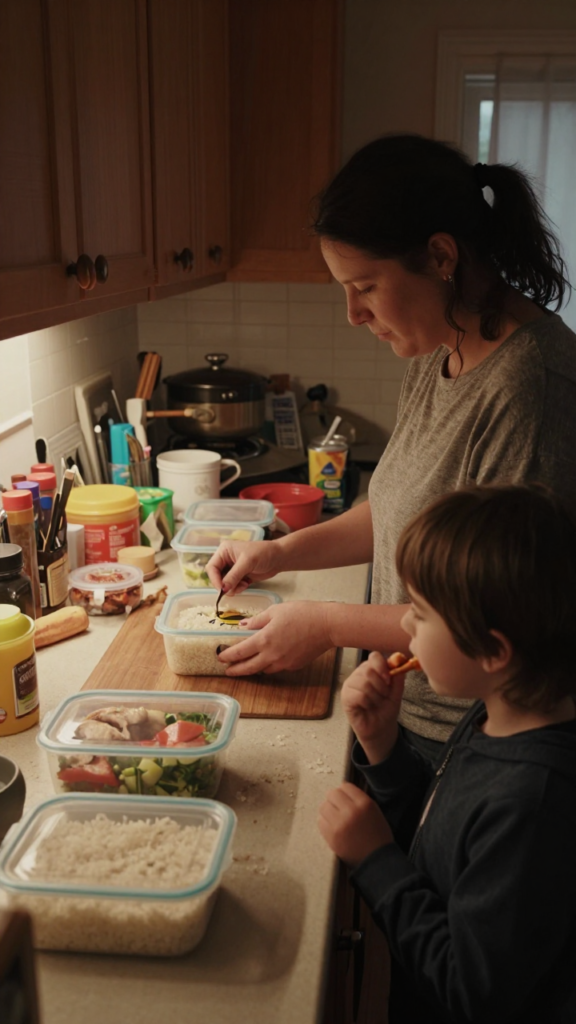
Leftovers used to become science experiments in our fridge.
Now I intentionally plan meals around reusing ingredients so food actually gets eaten instead of abandoned dramatically in plastic containers.
Examples:
The second meal usually takes less effort too. Honestly, leftovers are future-you survival kits.
Once a week we do:
The meals look chaotic sometimes, but the grocery savings add up fast.
Takeaway: Planned leftovers reduce food waste and grocery spending.
Libraries deserve way more appreciation.
Mine has:
Meanwhile I used to spend money buying books I barely finished because social media convinced me every cute cover would transform my life somehow.
Now my daughter and I go weekly.
It became:
Honestly, libraries feel like one of the last peaceful places left sometimes.
Takeaway: Libraries provide entertainment and resources without constant spending.
A lot of my unnecessary spending came from exhaustion.
Long workday. Tired parenting moment. Suddenly takeout feels spiritually necessary.
So I started stocking easier home options.
We keep:
Not every meal needs to look Pinterest-worthy.
Sometimes survival dinners prevent expensive fast food runs. That still counts FYI.
Takeaway: Cheap convenience foods help reduce expensive impulse takeout spending.
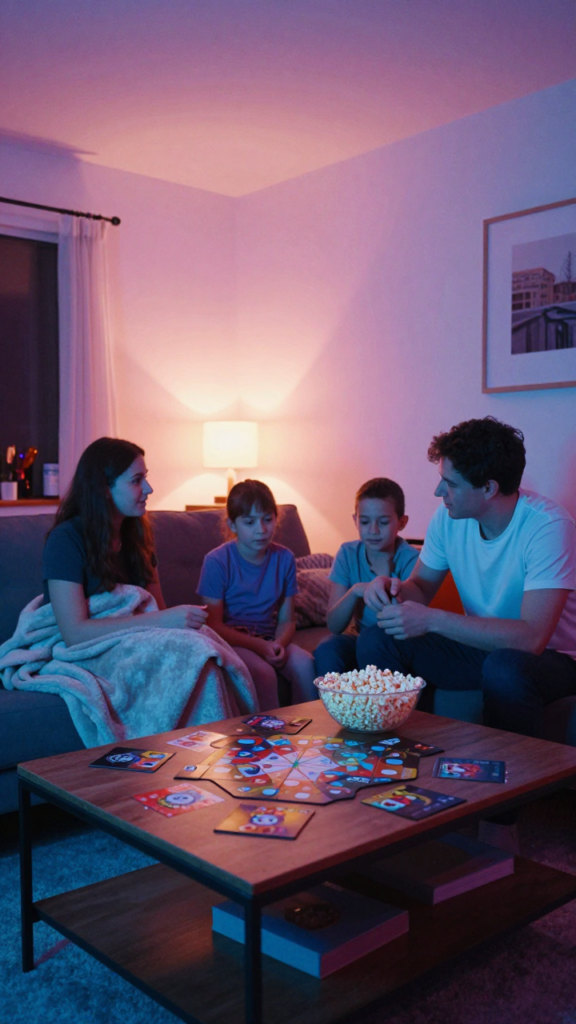
This idea sounded impossible initially.
Then I realized most weekend spending happened out of boredom rather than actual need.
Cheap or free activities:
The first no spend weekend felt strange. By the third one, it felt relaxing.
The trick is planning ahead:
Otherwise somebody suddenly decides expensive brunch feels emotionally necessary.
Takeaway: Planned low-cost weekends reduce mindless spending habits.
Some name brands matter. Most do not.
I finally admitted many generic products work perfectly fine despite my dramatic loyalty to certain packaging.
Now I save money on:
The biggest shock? My family rarely notices the difference.
Children care far more about snack quantity than fancy branding honestly.
Takeaway: Generic products often save money without lowering quality much.
You do not need to become a wildly self-sufficient homesteader overnight.
But basic skills save real money over time.
The most useful ones:
YouTube tutorials taught me more practical life skills than school ever did. Wild sentence, but true.
Pick one skill that solves a current problem.
Trying to master everything immediately usually ends with frustration and abandoned craft supplies.
Ask me how I know.
Takeaway: Small practical skills reduce long-term household expenses.
Impulse shopping thrives on urgency.
Flash sales. Limited editions. Influencers acting like your happiness depends on buying a new water bottle immediately.
Now I wait before buying non-essential items.
I pause:
Most of the time, the excitement fades completely.
Turns out many purchases are emotional reactions disguised as necessities.
Adding items to a wishlist scratches the shopping itch without instantly draining your bank account.
Surprisingly effective.
Takeaway: Delayed spending reduces impulse purchases dramatically.
I used to buy organizing bins constantly while ignoring the actual problem.
Too much stuff.
No storage system works well when every closet contains random clutter from three different life phases.
Less clutter means:
Now I declutter first before buying storage solutions.
Shocking concept apparently 🙂
Takeaway: Owning less stuff naturally reduces future spending.
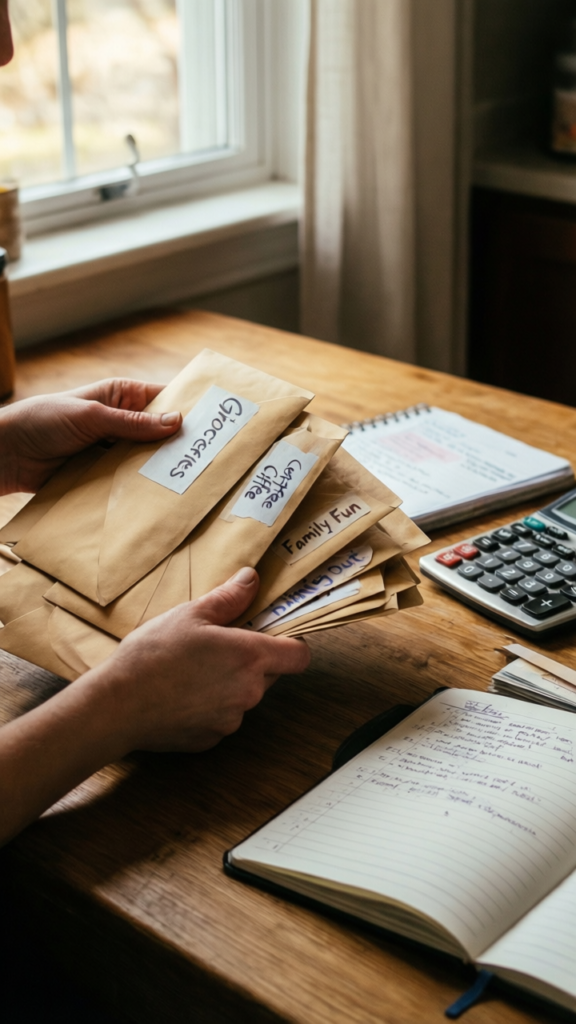
Everybody has a spending weakness.
Mine was casual shopping during errands. I would walk into Target for toothpaste and somehow leave financially humbled.
Cash helped because physical money feels more real than card swiping.
Try using cash for:
Once the envelope empties, spending stops automatically.
Simple system. Slightly annoying. Extremely effective.
Takeaway: Cash creates stronger awareness around emotional spending.
Fun does not need constant spending attached to it.
Some of our favorite family routines cost almost nothing.
Examples:
The kids remember consistency more than expensive activities.
Honestly, adults do too.
Having regular low-cost traditions also reduces random expensive entertainment spending.
Because not every weekend requires a shopping trip or restaurant visit.
Takeaway: Simple traditions create connection without draining your budget.
This tip hurt my feelings personally.
I realized I often used spending as emotional recovery:
Suddenly I deserved coffee, snacks, online shopping, and probably decorative pillows for emotional support.
Now I try:
Not perfect obviously. But awareness alone improved my spending habits massively.
IMO, emotional spending causes more financial damage than people realize.
Takeaway: Recognizing emotional spending patterns helps reduce unnecessary purchases.
These 12 creative ideas for thrifty living hacks work because they focus on small realistic habits instead of extreme deprivation.
You do not need to become obsessed with saving every penny.
Most financial progress comes from:
Little changes stack together over time.
And honestly, thrifty living feels much less about restriction and much more about finally feeling calmer every time you check your bank account.