Physical Address
304 North Cardinal St.
Dorchester Center, MA 02124
Physical Address
304 North Cardinal St.
Dorchester Center, MA 02124


These 11 must-know secrets for meal planning on a budget share realistic ways to save money, reduce food waste, and make weeknight dinners feel far less stressful for busy families.
The fridge looked full, yet somehow there was nothing useful to eat. Half a bell pepper sat next to expired yogurt, leftover pasta nobody wanted, and a bag of spinach slowly giving up on life. Meanwhile I still ordered takeout that night because everybody felt tired and annoyed.
That cycle used to happen constantly in our house.
I thought meal planning on a budget meant eating boring food and spending Sundays aggressively organizing glass containers like a productivity influencer. Turns out real-life meal planning looks much messier than that.
Most families are not failing because they spend wildly. They are just overwhelmed, busy, and trying to survive another weekday without spending $40 on delivery fries.
These 11 must-know secrets for meal planning on a budget helped me waste less food, lower grocery bills, and stop feeling personally attacked every time I opened the fridge 🙂
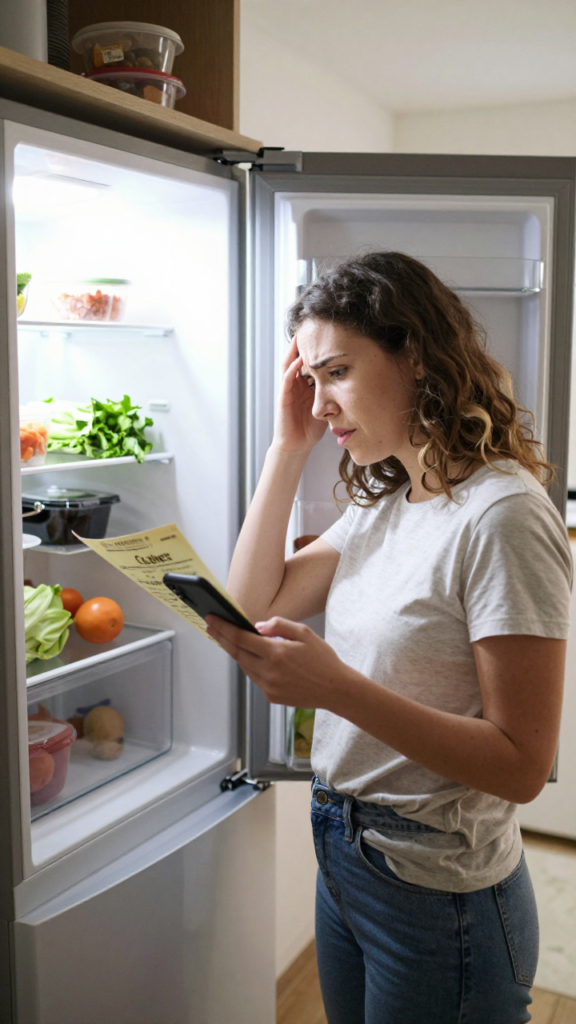
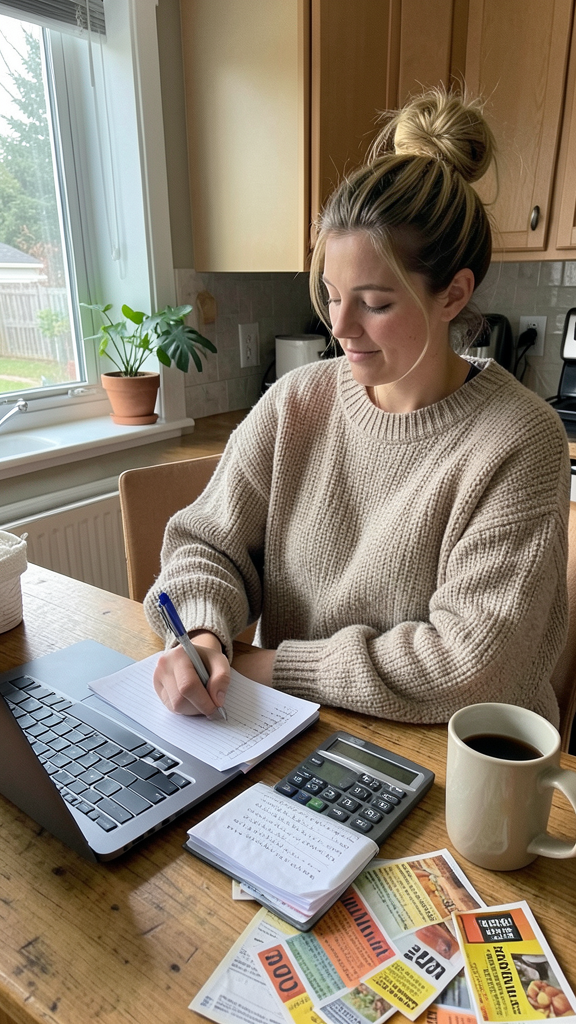
I used to grocery shop like I had zero food at home.
Then I would come back with more pasta, more shredded cheese, and somehow another bottle of ranch dressing while older ingredients quietly expired in the fridge.
Before making a grocery list:
This habit alone cuts grocery spending fast.
Instead of choosing random recipes first, use what you already own.
Examples:
Honestly, leftovers are just ingredients wearing different outfits.
Takeaway: Planning meals around existing food reduces waste and grocery costs.
Trying new complicated recipes every week sounds exciting until Wednesday arrives and everybody feels exhausted.
Simple repeat meals work better for real family life.
Our regular rotation includes:
Nothing fancy. Nobody complains.
Using similar ingredients weekly prevents waste because everything gets used consistently.
Plus you stop buying random expensive ingredients for one recipe you will never cook again.
RIP to the fancy sauce I bought once and ignored for six months :/
Takeaway: Repeat meals simplify shopping and reduce food waste.
Walking into a grocery store without a list feels financially dangerous.
The snacks start whispering to you. Suddenly twelve unnecessary items land inside the cart.
Mine usually includes:
Nothing aesthetic happening here FYI. Usually I write it while drinking reheated coffee.
Impulse purchases destroy grocery budgets quietly.
Especially when shopping hungry. That situation turns normal adults into emotional support snack collectors.
Takeaway: Grocery lists reduce impulse spending and forgotten ingredients.
I used to waste so much time driving across town chasing tiny sales.
Meanwhile I spent extra gas money and somehow still forgot important items.
Shopping mostly at one store helps:
Sometimes convenience matters too.
This one hit me personally.
Browsing stores when bored usually ends with:
Quick focused shopping trips work best.
Takeaway: Simple grocery routines reduce overspending and stress.
Flexible ingredients stretch budgets further.
Single-purpose ingredients usually become forgotten fridge decorations eventually.
These work constantly:
One ingredient can support several meals easily.
Ground turkey becomes:
That flexibility matters when budgets feel tight.
Takeaway: Multi use ingredients create cheaper and easier meal plans.
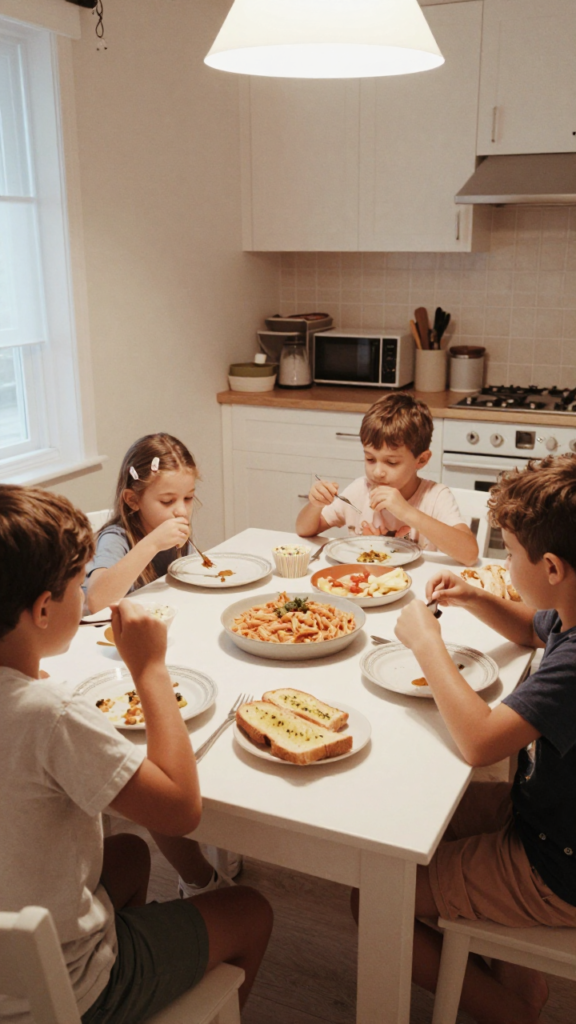
Budget meal planning falls apart fast when everybody feels exhausted.
That is usually when expensive takeout magically appears.
We always keep:
Simple backup meals prevent financial panic ordering.
Some people act like every meal must involve organic vegetables and homemade bread.
Meanwhile real parents are just trying to feed people consistently.
Frozen garlic bread still counts as dinner support honestly 🙂
Takeaway: Affordable convenience foods reduce expensive takeout habits.
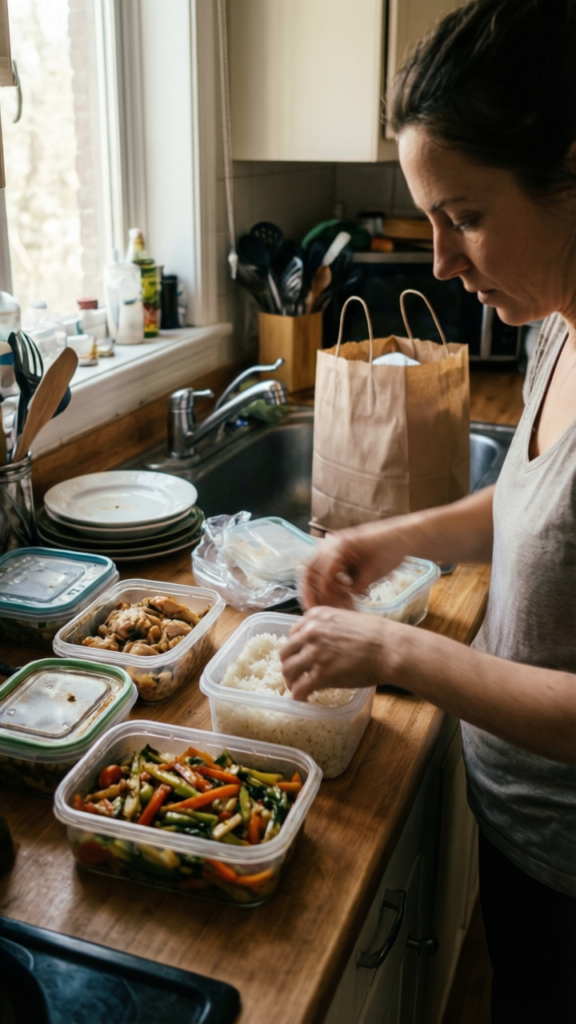
Leftovers used to disappear into the fridge until somebody finally threw them away with guilt.
Now I plan for leftovers on purpose.
Examples:
Second meals usually take less effort too.
Once weekly we eat:
It clears the fridge and lowers food waste dramatically.
Takeaway: Planned leftovers stretch groceries further and save cooking time.

This advice may sound oddly specific.
But if you constantly buy ingredients for your fantasy healthy lifestyle instead of your actual habits, food waste explodes.
I had to admit:
Now I buy simpler realistic foods we actually eat consistently.
Affordable healthy basics work fine:
Simple food still supports healthy routines.
Takeaway: Realistic grocery shopping prevents expensive food waste.
Some evenings cooking feels manageable. Other evenings cereal sounds emotionally correct.
So I cook extra when motivation exists.
Great batch meals:
Future-you will feel deeply grateful later.
You do not need giant freezer prep sessions.
Sometimes I just:
Tiny preparation still reduces stress.
Takeaway: Batch cooking saves both time and money during busy weeks.
This one sneaks up fast.
Fancy drinks quietly destroy grocery and dining budgets.
We save money by:
Tiny drink purchases add up aggressively over time.
Now we keep:
Still enjoyable. Much cheaper.
Takeaway: Reducing drink spending lowers grocery and takeout costs surprisingly fast.
This may be the most important secret of all.
Perfect meal planning does not exist.
Some weeks:
That is normal life.
Rigid meal plans fail faster because life changes constantly.
Now I leave room for:
That flexibility actually makes budgeting more sustainable.
Meal planning on a budget should reduce stress, not create more of it.
IMO, a simple imperfect plan you follow consistently works far better than a perfect system you abandon after four days.
Takeaway: Flexible meal planning creates sustainable budgeting habits.
These 11 must-know secrets for meal planning on a budget work because they focus on realistic family habits instead of perfection.
Most grocery savings come from:
Tiny habits create major savings over time.
And honestly, one of the best feelings is opening your fridge at dinner time and actually knowing what to cook instead of staring into it dramatically while considering expensive takeout again.