Physical Address
304 North Cardinal St.
Dorchester Center, MA 02124
Physical Address
304 North Cardinal St.
Dorchester Center, MA 02124

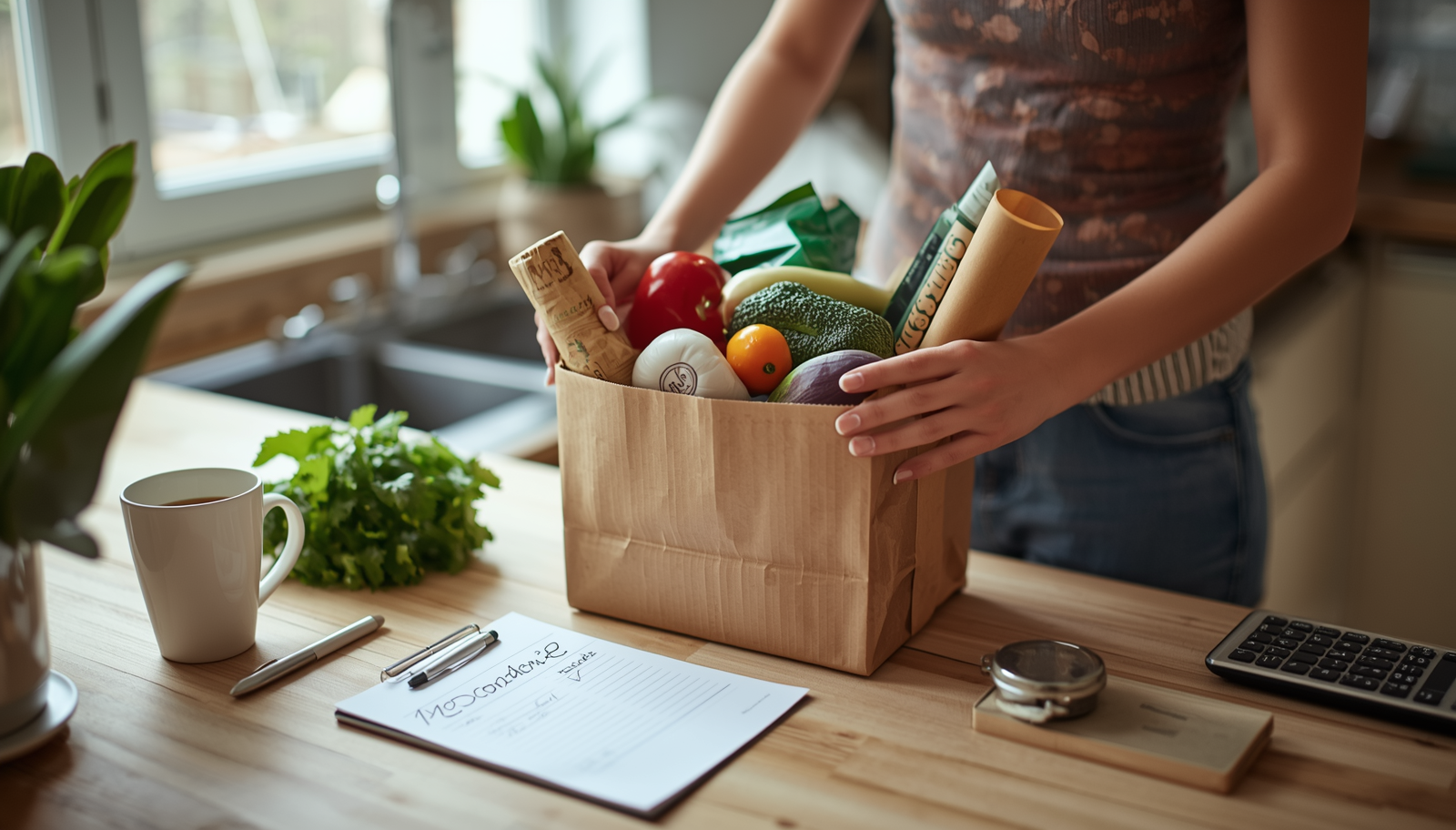
These practical grocery shopping on a budget tips can help you lower food costs, waste less money, and make weekly shopping feel far less stressful for your family.
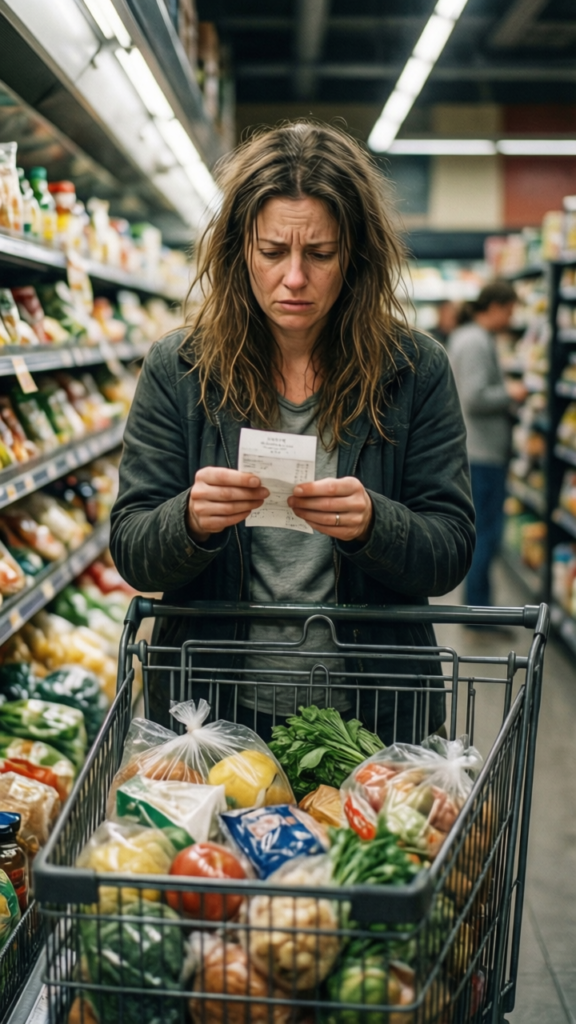
The grocery total climbed past the amount I mentally prepared for, and suddenly I started questioning every single item in the cart. Did we truly need fancy crackers? Why did the strawberries cost approximately the same as a small vacation? And who keeps convincing children that snacks disappear forever unless we buy seventeen boxes at once?
Grocery shopping on a budget feels frustrating sometimes because food prices add up fast. Even careful shoppers can walk into a store with a plan and leave wondering how cereal suddenly became a luxury item.
The good news is that you do not need extreme couponing skills or endless free time to save money on groceries.
A few realistic habits can lower your grocery bill without making family meals depressing.
These 11 must-know secrets for grocery shopping on a budget helped our family spend less, waste less, and finally stop feeling shocked at checkout every week.
This sounds obvious until you ignore it and suddenly convince yourself frozen cheesecake counts as an essential household item 🙂
Hunger turns grocery shopping into emotional decision making.
A calm brain spends less money.
Half my impulse purchases happened because I was tired and hungry.
Takeaway: Shopping after eating helps reduce unnecessary grocery spending.

Walking through a grocery store without meal ideas gets expensive fast.
Random ingredients rarely become actual dinners.
Repeating easy meals saves money and mental energy.
Simple weekly routines reduced grocery stress immediately.
Takeaway: Meal planning keeps grocery shopping focused and budget friendly.
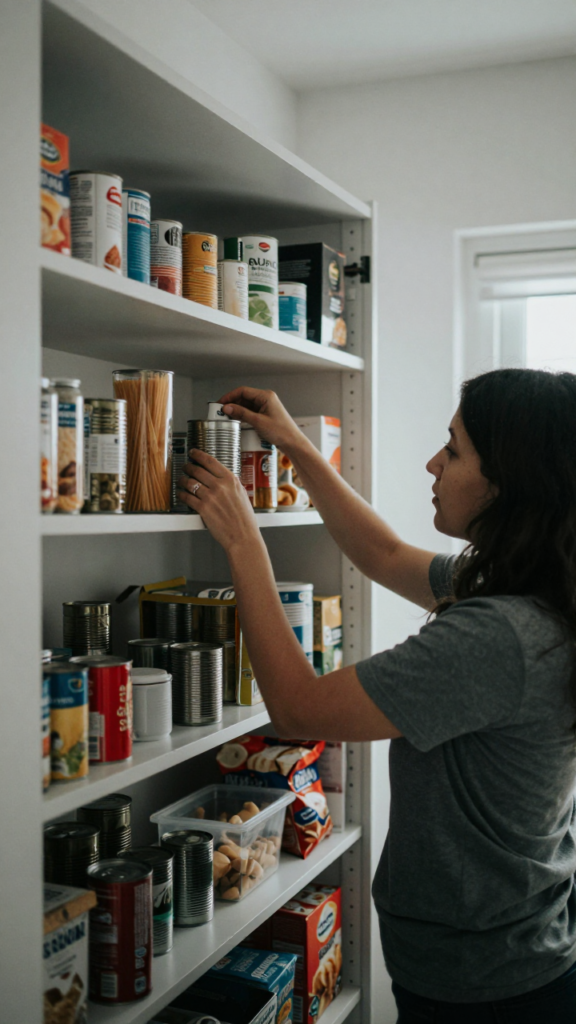
People accidentally buy duplicates constantly.
I once found three opened pasta boxes hiding in separate cabinets like they formed their own tiny noodle support group.
Using what you already own matters.
Takeaway: Shopping your pantry first prevents waste and duplicate purchases.
A specific spending limit creates awareness.
Without a number, grocery shopping becomes emotionally flexible in the worst possible way.
Awareness changes habits quickly.
Watching totals while shopping feels annoying initially but saves money long term.
Takeaway: A clear grocery budget helps control overspending.
Some generic products honestly taste identical.
Meanwhile the brand name version costs extra because apparently the packaging graduated from a prestigious design academy.
Not every item needs premium branding.
Most family members barely noticed the switch.
Takeaway: Generic grocery products can lower food costs significantly.

Every family needs affordable backup meals.
These meals help during tight budget weeks or chaotic schedules.
Simple meals can still feel comforting.
Some of our cheapest meals became regular family favorites.
Takeaway: Affordable meal options help keep grocery spending realistic.
This one humbled me personally.
Buying ingredients for complicated recipes sounds exciting until the spinach quietly dissolves in the fridge while you order takeout instead.
Buy food for your real life, not fantasy productivity.
I started planning meals around our actual routines instead of idealized ones.
Takeaway: Realistic grocery shopping reduces waste and overspending.
Frequent shopping trips create more temptation.
Every extra visit somehow turns into additional snacks, drinks, and random unnecessary purchases.
Fewer trips often mean lower spending.
Staying out of stores reduced impulse buying dramatically.
Takeaway: Fewer grocery trips help control unnecessary spending.
Frozen foods save money, reduce waste, and make meals easier.
Not every dinner needs aggressively fresh organic kale energy.
Convenience matters for busy families.
Frozen vegetables deserve more respect than they get sometimes.
Takeaway: Frozen foods support budget friendly grocery shopping and reduce waste.

Big packaging does not always mean better value.
Stores quietly rely on people assuming larger automatically equals cheaper.
Tiny numbers on shelf labels matter.
I started comparing prices more carefully instead of shopping on autopilot.
Takeaway: Unit pricing helps identify the best grocery deals.
Some weeks will go smoothly.
Other weeks involve forgotten ingredients, extra snack purchases, or emergency frozen pizza after exhausting days. That is normal.
Progress matters more than perfection.
A sustainable grocery budget works better than an extreme unrealistic one.
Takeaway: Flexible grocery habits create long-term financial success.
Food costs add pressure quickly, especially for families.
A few extra items suddenly push totals much higher than expected.
Small adjustments create noticeable savings over time.
Tiny habits matter more than dramatic coupon systems for most families.
Consistency creates progress.
Once grocery routines became simpler, our entire household felt less financially stressful.
This matters more than people admit.
Extreme restriction usually creates frustration, burnout, and eventually giant emotional snack purchases.
Balance helps people stay consistent.
A calm sustainable grocery routine beats aggressive budgeting chaos every single time.
These must-know secrets for grocery shopping on a budget are not about eliminating every enjoyable food or surviving on plain rice and sadness.
They are about creating realistic systems that reduce waste, lower stress, and help your money stretch further without making family life miserable.
Plan meals simply. Shop less often. Use what you already have. Buy realistic groceries. Focus on progress instead of perfection.
Over time those small habits create something surprisingly valuable.
A grocery routine that feels calmer, cheaper, and much more manageable every week.