Physical Address
304 North Cardinal St.
Dorchester Center, MA 02124
Physical Address
304 North Cardinal St.
Dorchester Center, MA 02124


These easy biweekly paycheck habits helped me save money faster without feeling restricted, overwhelmed, or stuck in constant paycheck-to-paycheck stress.
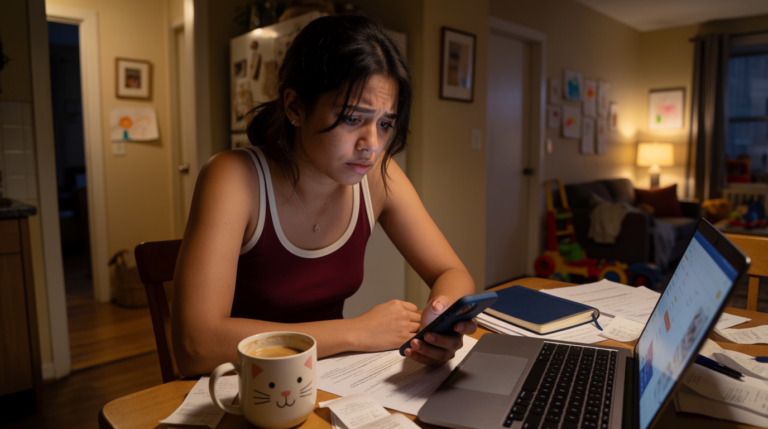
The second paycheck hit my account on Friday morning and somehow vanished by Tuesday night. Bills grabbed their share. Grocery prices acted rude again. My daughter suddenly needed new shoes because apparently kids grow overnight just to humble us financially.
I used to think getting paid biweekly would make budgeting easier. Twice a month sounded organized and adult-like. Reality looked more like checking my banking app three times a day while pretending everything felt under control.
Then I finally stopped treating my paycheck like endless refill money. I built small habits around my biweekly pay schedule instead of fighting it every month. That shift helped me save money faster without feeling miserable.
If you want practical and realistic ways to stretch your paycheck, these ideas actually work in real life.
A biweekly paycheck means you get paid every two weeks instead of twice a month. That gives most people 26 paychecks per year instead of 24.
Those two extra checks feel magical when you use them wisely. Or dangerous if Target sees you coming.
Biweekly budgeting creates shorter spending windows. You only need to manage money for 14 days at a time. That feels way less overwhelming than planning an entire month.
I started thinking in mini financial sprints instead of giant marathon budgets. My brain handled that better.
Takeaway Statement:
Shorter budgeting cycles make saving money feel more manageable and less stressful.
Trying to pay every bill from one paycheck feels awful. I stopped doing that and immediately breathed easier.
Now I divide expenses into two categories:
That simple split stopped the end-of-month panic.
This method keeps one paycheck from getting completely destroyed.


Takeaway Statement:
Splitting bills between paychecks keeps your cash flow balanced all month long.
Most biweekly workers get two months each year with three paychecks. That extra paycheck used to disappear into random spending for me.
One year I spent it on patio decor. Cute? Yes. Necessary? Absolutely not.
Now I use extra paychecks for:
FYI, this one habit alone helped me stop relying on credit cards during stressful months.
If money sits in checking too long, it starts getting ideas.
I set up automatic transfers the same day my paycheck lands. Even transferring a small amount works better than waiting for leftover money that never magically appears.
You remove the emotional decision-making completely.
And honestly, tired versions of us make questionable financial choices.


Takeaway Statement:
Automatic savings remove temptation and help you save money fast without constant effort.
This changed everything in my house.
Instead of setting one huge monthly grocery budget, I divided it by paycheck. Suddenly I stopped overspending during week one and surviving on random freezer waffles by week four.
Now each pay period gets:
Because children snack like tiny competitive athletes.
I shop once for essentials and once for fresh items later in the cycle. That cuts down impulse spending dramatically.
Plus I waste less produce. RIP to all the forgotten spinach bags from my past.
Biweekly paychecks can create fake confidence. Payday energy makes everything seem affordable.
I once convinced myself I needed decorative storage baskets. I owned nothing worth organizing at the time.
Now I wait 48 hours before buying anything nonessential.
Most wants disappear surprisingly fast.
That last question attacks me personally every time 🙂


Takeaway Statement:
Delaying purchases helps separate emotional spending from real priorities.
People always talk about saving huge emergency funds immediately. Meanwhile I was just trying to survive school lunch payments and rising grocery costs.
Start smaller.
Your first goal should be:
That buffer creates breathing room fast.
Even a few hundred dollars prevents:
A tiny safety net still counts.
Some spending categories behave badly. Mine was coffee shop spending.
Five dollars here. Eight dollars there. Suddenly my paycheck looked personally offended.
Cash creates awareness fast because you physically see money leaving.
Nothing humbles a person faster than realizing candles were never part of the shopping list.


Takeaway Statement:
Cash spending adds visibility and naturally slows impulse purchases.
This habit sounded annoying at first. Then it saved me hundreds.
A no spend day means:
You simply use what you already have.
Turns out my pantry held actual food the whole time. Groundbreaking discovery.
Your bank account appreciates the break.
I stopped meal prepping like a fitness influencer and started meal prepping like a tired parent.
That worked better.
Right after payday, I prep:
That keeps expensive convenience meals from stealing money later in the week.
If prep takes over two hours, I probably will not repeat it.
Simple systems survive busy weeks.


Takeaway Statement:
Simple meal prep reduces stress spending and helps stretch every paycheck further.
Ultra strict budgets usually backfire. At least they did for me.
If I banned every fun purchase, eventually I snapped and bought unnecessary stuff online at midnight while eating cereal.
Now I budget small guilt-free spending money every pay period.
Tiny enjoyment keeps budgets sustainable.
IMO, realistic budgets beat perfect budgets every single time.
Checking progress keeps motivation alive.
Every payday I review:
This takes maybe ten minutes.
But those quick check-ins stop financial problems from quietly growing in the background.
I keep a handwritten savings tracker inside my planner. Watching numbers increase feels weirdly satisfying.
Adult life really becomes exciting in unexpected ways.


Takeaway Statement:
Tracking progress regularly helps you stay focused and catch spending issues early.
Even good budgets fall apart sometimes. These mistakes show up constantly.
Those two additional checks should support savings goals instead of random spending habits.
Payday excitement creates fake financial confidence. Your future self notices.
Things like:
These expenses happen every year. They are not surprise attacks.
Here is the easy formula I follow now:
Pay essentials first
Transfer savings automatically
Budget groceries and gas
Set small personal spending money
Leave a tiny buffer untouched
Nothing fancy. No complicated spreadsheets that require emotional recovery afterward.
Just clear systems that work during busy weeks.
Learning how to save money fast with a biweekly paycheck did not happen because I suddenly became financially perfect. I simply stopped fighting my paycheck schedule and started building habits around it.
Small changes added up faster than dramatic budget overhauls ever did. Splitting bills, automating savings, planning groceries, and protecting extra paychecks gave me breathing room I honestly thought would take years to build.
If your paycheck disappears too quickly right now, start with one habit instead of all eleven. One solid money routine can change an entire month. Then another. Then eventually your whole financial situation starts feeling less chaotic and way more intentional.