Physical Address
304 North Cardinal St.
Dorchester Center, MA 02124
Physical Address
304 North Cardinal St.
Dorchester Center, MA 02124


Adulting gets easier when you stop chasing perfection and start building simple systems that make everyday life feel calmer, cleaner, and far less overwhelming.
The laundry sat in a chair for four days. The fridge had almond milk, expired spinach, and one lonely lemon. My inbox screamed at me with unread bills while I pretended not to notice. Meanwhile, everyone online somehow looked organized, hydrated, and emotionally stable.
That was the week I realized adulting is not one giant life transformation. It is a pile of tiny boring tasks that quietly attack you at random hours.
And honestly? Most people are not naturally good at this stuff. They just found systems that stop life from turning into chaos.
If your adulting list feels endless, messy, or low-key embarrassing, you are not alone. Here are 10 proven ways to master your adulting list without trying to become a completely different person overnight.
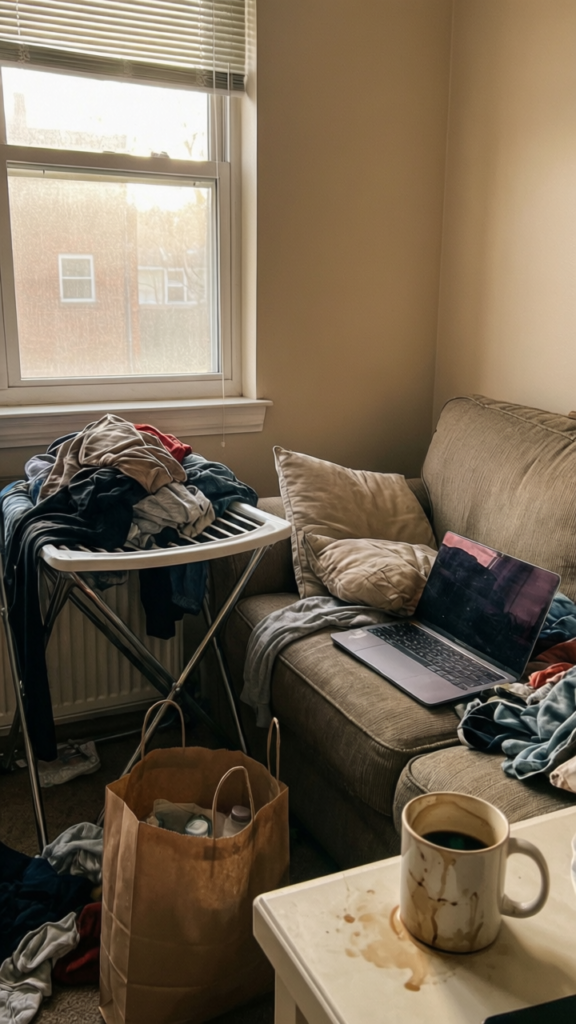
For years, I thought responsible adults magically enjoyed budgeting, meal prep, and replying to emails on time.
Turns out, most adults hate those things too. They just do them before the consequences become annoying enough to ruin their week.
The biggest shift came when I stopped making adulting emotional. Paying bills does not mean you are mature. Folding laundry does not make you morally superior. It is maintenance. Like brushing your teeth.
Once you remove the drama, tasks feel smaller.
Takeaway: Adulting gets easier when you stop expecting yourself to enjoy every part of it.
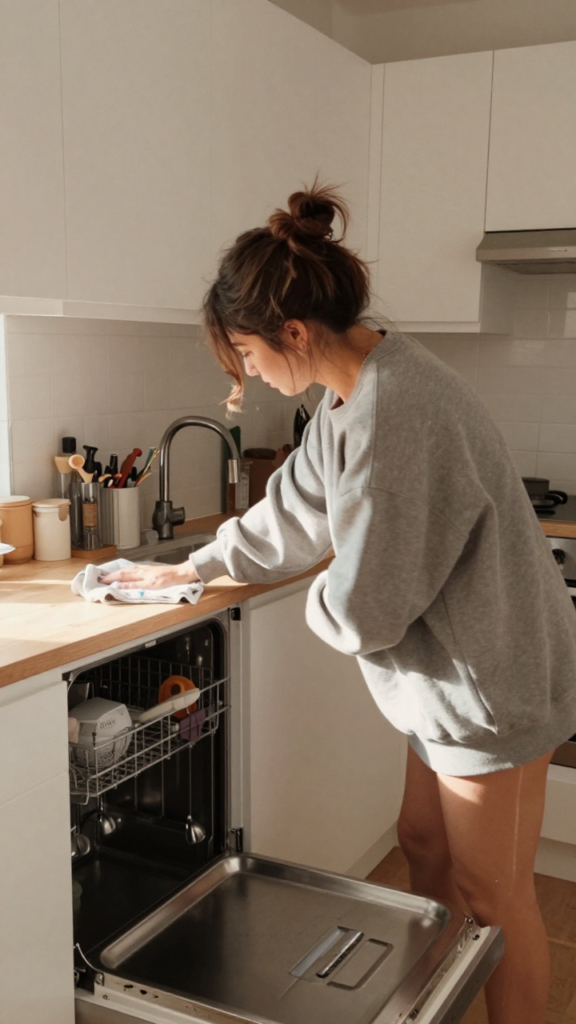
I used to wait until my apartment looked like a raccoon lived there before cleaning anything. Then I would spend six angry hours rage-cleaning on Sunday night.
Not ideal.
Now I do a 45-minute weekly reset every Friday afternoon. I clean surfaces, check my calendar, wash one load of clothes, and restock basic groceries.
That tiny habit changed everything.
The goal is not perfection. The goal is reducing future stress.
Takeaway: Small weekly resets prevent giant life meltdowns later.
Nothing made me feel more fake-adult than forgetting a bill because I got distracted watching kitchen organization videos for two hours.
Automation saved me.
Set up automatic payments for recurring bills. Schedule grocery deliveries if your budget allows. Put reminders in your phone for things your brain refuses to remember.
Adulting becomes much lighter when your systems work even on low-energy days.
FYI, automation is not laziness. It is survival.
Takeaway: If a task repeats every month, your system should handle most of it.
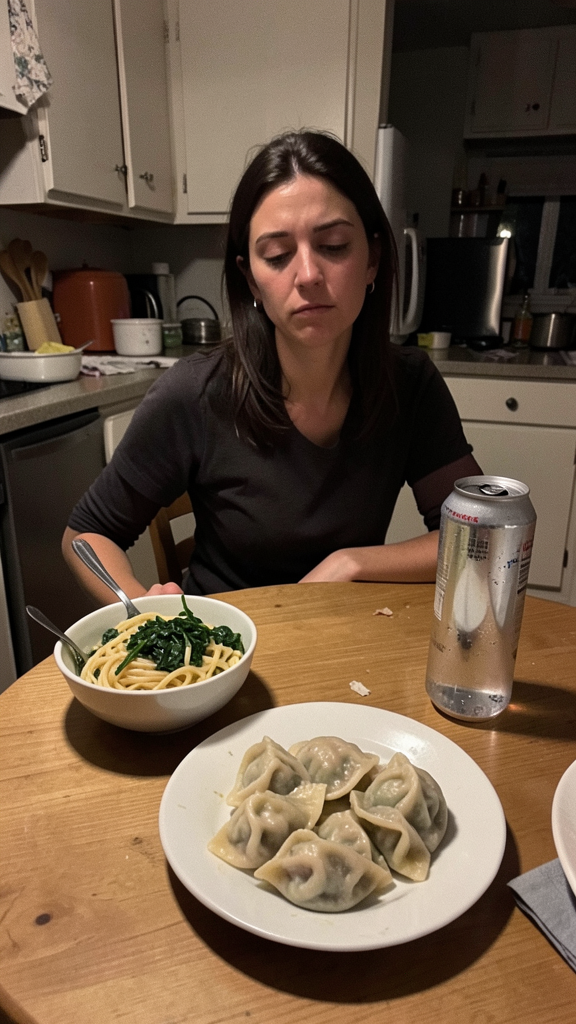
Every adult needs emergency meals. Not aspirational meals. Not aesthetic Pinterest dinners with seventeen ingredients.
I mean meals you can make half-asleep after a terrible workday.
Mine are:
That is it. Those meals saved me from overspending on delivery more times than I can count.
A lot of financial stress comes from food chaos. Once you solve basic meals, life feels calmer almost immediately.
Keep ingredients simple and cheap.
Takeaway: Feeding yourself consistently matters more than cooking impressive meals.
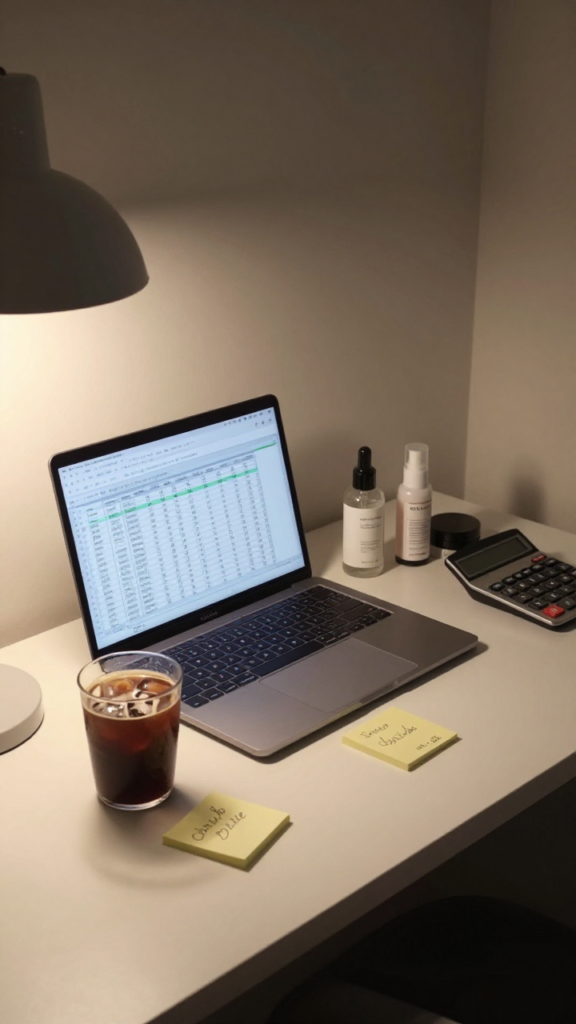
My old budgets assumed I would suddenly become a minimalist wellness goddess who never bought coffee or random candles.
That version of me lasted about six hours.
A good budget reflects your actual habits. If you love iced lattes, include them. If skincare matters to you, plan for it. Cutting every enjoyable thing usually backfires.
IMO, realistic money habits beat extreme money rules every single time.
Takeaway: A budget only works if it fits your real life.
At one point I had:
And somehow I still missed appointments.
Now everything goes into one calendar immediately. Work deadlines, birthdays, dentist appointments, bill reminders, all of it.
Your brain is not designed to store endless information. Let tools help you.
That last one matters more than people admit.
Takeaway: One organized calendar reduces decision fatigue fast.
There is a weird myth that productive adults wake up excited to deep-clean their homes.
Meanwhile, I once moved dirty pans into the oven because guests were coming over. So. Reality check.
Cleaning became easier when I stopped treating it like one giant event.
Tiny layers keep mess from becoming overwhelming.
Also, nobody notices your baseboards as much as you think they do.
Takeaway: Consistent tiny cleaning beats occasional perfection cleaning.
One stressful afternoon, I spent an hour searching for an insurance document while holding customer service on speakerphone. That was enough character development for me.
Now I keep all important information in one place.
Digital folders work great too if you prefer less paper clutter.
This feels boring until you desperately need something fast.
Takeaway: Organized information saves massive stress during emergencies.
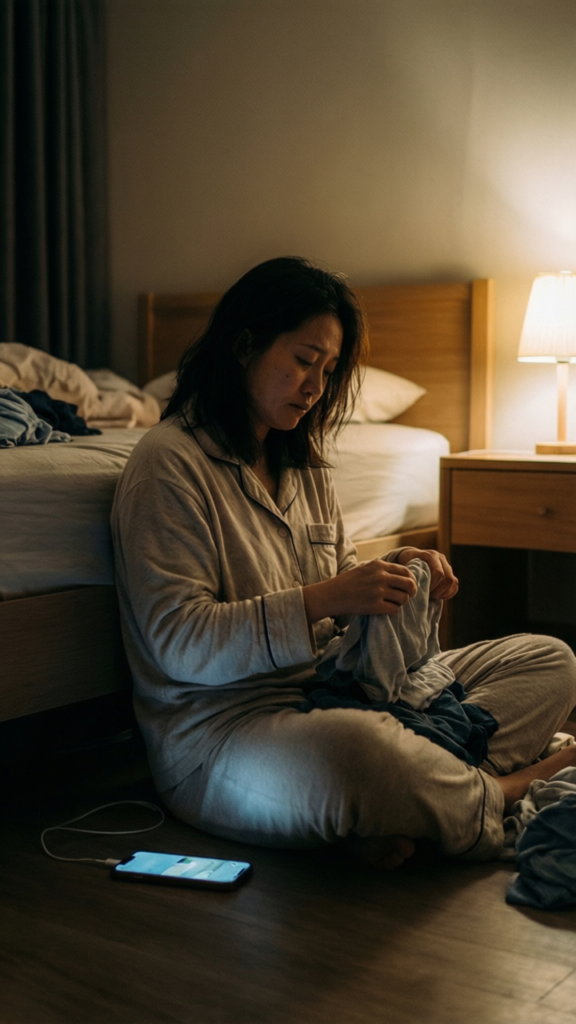
Nobody talks enough about how exhausting adulting becomes when you are mentally drained all the time.
You cannot organize your life well if you are constantly running on empty.
I learned this after trying to answer emails at midnight while eating cereal straight from the box. Very cinematic. Very unhealthy.
Your adulting list becomes manageable when your brain is not overloaded.
Takeaway: Energy management is part of responsible adulthood too.
This one changed my mindset the most.
There is no final level where adults suddenly become perfectly organized humans who meal prep joyfully and never forget passwords again.
Real life stays messy sometimes.
Even people who look put together still forget appointments, overcook dinner, or panic-search for tax forms five minutes before deadlines. The difference is they recover faster instead of spiraling.
You do not need perfect routines. You need reliable recovery habits.
That flexibility matters more than perfection ever will.
Takeaway: Successful adulting means adapting, not performing perfectly.
Learning how to manage an adulting list is mostly about building systems that support normal human behavior. Not ideal behavior. Real behavior.
You will still have chaotic weeks. You will still forget things occasionally. You will probably still stare into your fridge wondering how there is nothing to eat even though you bought groceries two days ago.
But small systems add up.
A cleaner kitchen. A paid bill. A simple budget. One organized calendar. Those things quietly create stability over time.
And honestly, that is what mastering adulthood really looks like. Not perfection. Just fewer avoidable disasters and a little more peace every week.