Physical Address
304 North Cardinal St.
Dorchester Center, MA 02124
Physical Address
304 North Cardinal St.
Dorchester Center, MA 02124


Simple, realistic frugal living habits that help families save money this fall without feeling restricted or overwhelmed.
The grocery bill looked normal until it didn’t. A few extra snacks for the kids, some “seasonal” treats, and suddenly the total jumped way higher than planned. I stood there doing that quiet mental math, wondering how small things keep turning into big numbers.
Fall has a way of doing that. More time at home, more comfort food, more little expenses that feel harmless in the moment. Then your budget starts feeling tight for no obvious reason.
If you want a reset without turning your life upside down, these 10 frugal living habits for families to save money this fall are simple, realistic, and actually doable.
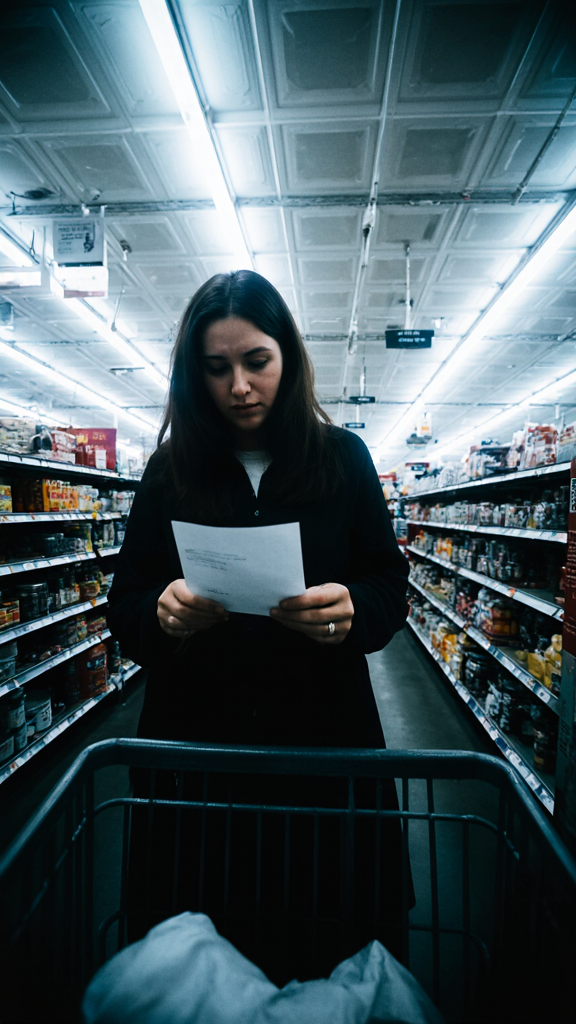

Before you even think about grocery shopping, check your kitchen.
I used to skip this step and somehow ended up with three bags of rice and nothing to cook with it. Not ideal.
You save money instantly without feeling restricted.
Takeaway: Use what you have before buying more. It sounds obvious but works every time.
Groceries can quietly drain your wallet if you let them.
Instead of guessing, give yourself a weekly number.
I literally use my phone calculator in the aisle. Slightly annoying, very effective 🙂
Takeaway: A clear grocery limit keeps spending from creeping up.

Fall is perfect for low-cost meals that still feel comforting.
Think soups, stews, pasta, rice dishes. Nothing fancy, just filling and warm.
Eating at home more often saves a surprising amount.
Takeaway: Simple meals reduce both stress and spending.

Weekends are where budgets go to struggle.
Dining out, random shopping, last-minute plans. It adds up fast.
We started doing this and realized we were spending out of habit, not need.
Takeaway: Limiting weekend spending protects your budget the most.
Energy bills rise fast in cooler months.
Before touching the thermostat, try the obvious.
It feels basic, but it works.
IMO, comfort does not always require higher bills.
Takeaway: Small energy habits can lower monthly costs without sacrifice.

Fall is a great time to clear out your home before the holidays.
And yes, you probably have things sitting around that still have value.
I sold a few items last fall and used that money for holiday gifts. Very satisfying.
Takeaway: Your clutter can become extra cash.
This does not need to be formal or awkward.
Just a quick check-in to stay aware.
Keep it light. No blaming.
FYI, this habit alone can stop small issues from turning into bigger ones.
Takeaway: Awareness keeps your spending aligned with your goals.
If it is not planned, wait.
This rule has saved me from so many unnecessary purchases.
Most of the time, the answer becomes no.
It turns out a lot of “needs” are just moods :/
Takeaway: Time creates clarity and reduces impulse spending.
When everything comes from one account, it is easy to lose track.
Create a boundary.
Once the money is gone, it is gone.
This keeps things simple and visible.
Takeaway: Clear spending limits make budgeting easier to follow.
Kids remember moments, not price tags.
You do not need expensive outings to create meaningful time together.
Some of our best weekends cost almost nothing.
And honestly, they felt better than rushed, expensive outings.
Takeaway: Meaningful time does not require high spending.
The goal is not to cut everything or feel restricted.
It is about making small, intentional choices that add up over time.
When you follow these 10 frugal living habits for families to save money this fall, you start noticing patterns. Where your money goes. What actually matters. What does not.
And once you see it clearly, it becomes much easier to stay in control.
Takeaway: Frugal living is not about deprivation. It is about awareness and intention.
Saving money as a family does not require extreme changes or complicated systems. It comes down to simple habits that fit into your everyday life.
Start with one or two of these. Let them become part of your routine. Then build from there.
Fall is a great time to slow down, reset, and make smarter choices with your money.
Because at the end of the day, feeling in control of your finances is way more comforting than any impulse purchase you almost made.