Physical Address
304 North Cardinal St.
Dorchester Center, MA 02124
Physical Address
304 North Cardinal St.
Dorchester Center, MA 02124


Simple and practical savings plans that help parents teach kids about money early in a way that actually sticks in real life.
The question comes out of nowhere while you are paying for groceries. Can I have this. You say no, then get the look. You know the one. Suddenly you are explaining money in the checkout line while people wait behind you.
It happens to all of us. Kids ask. We react. And somewhere in between, we realize they have no idea how money actually works.
If you want to avoid those stressful moments and raise a kid who understands money early, you need a simple plan. Not a complicated system. Just something that fits real life.
Here are 10 easy kids savings plans for parents who want to teach money early without turning your home into a finance classroom.

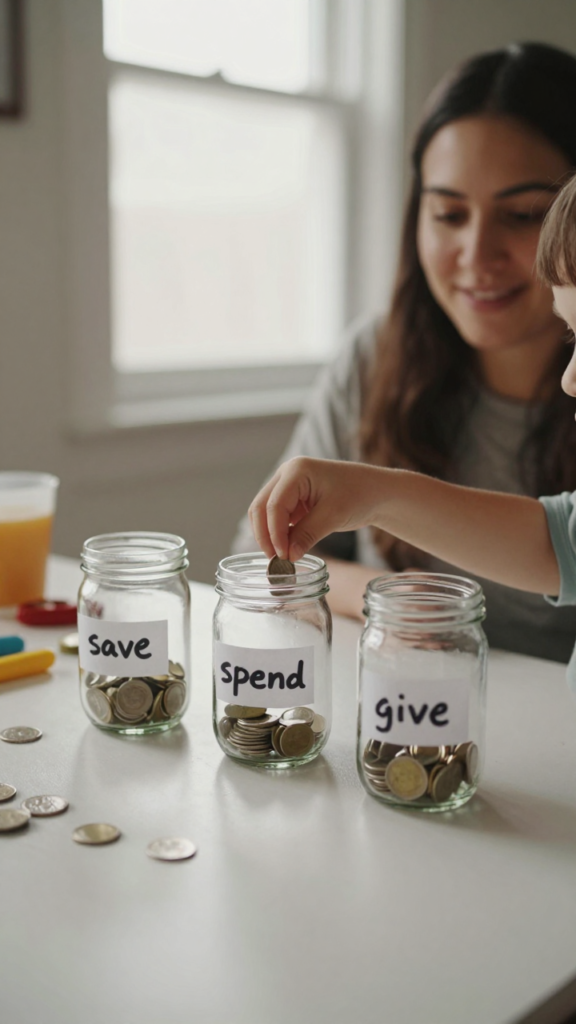
This is the classic for a reason. It works.
Set up three jars labeled:
Every time your child gets money, they divide it between the jars.
My daughter was not thrilled at first. She wanted everything in spend. Shocking.
Over time, she started to enjoy watching the save jar grow.
Takeaway: Simple visuals help kids understand money faster.
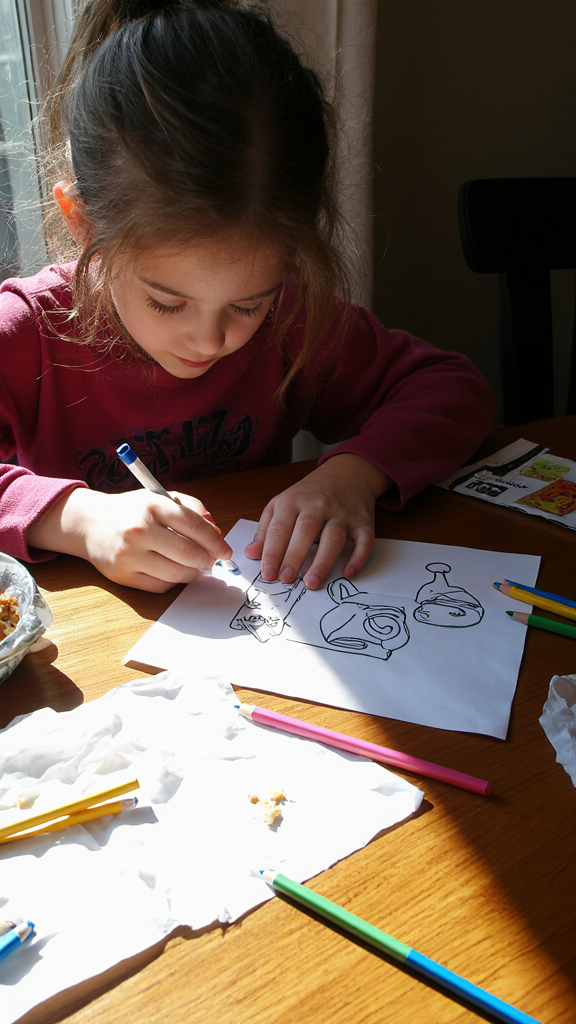
Saving without a goal feels pointless for kids.
Help them choose something specific:
Write it down or draw it out.
Once my daughter picked a goal, she suddenly cared a lot more about saving. Funny how that works.
Takeaway: Goals give saving a purpose kids can actually see.
Want to motivate your child quickly. Match what they save.
Example:
It feels like magic to them.
FYI, this worked better than any lecture I ever tried.
Takeaway: Matching rewards effort and builds excitement around saving.
Consistency matters more than the amount.
Set a simple routine:
This gives kids regular practice managing money.
I stopped handing out random coins and things got much clearer for both of us.
Takeaway: A predictable allowance builds money habits over time.
Turn saving into a game.
Try:
Kids love a little competition, especially when they can win something.
And yes, I may have lost a few rounds 🙂
Takeaway: Gamifying saving keeps kids engaged and motivated.
This one is hard. Really hard.
Let them:
It is better to learn with small amounts now than bigger ones later.
I watched my daughter buy something she barely used. Lesson learned faster than any advice.
Takeaway: Mistakes are part of learning, not something to avoid.
Kids need to see their progress.
Use:
Watching money grow is motivating.
Out of sight usually means out of mind for kids.
Takeaway: Visibility makes saving feel real and rewarding.

You do not need formal lessons.
Just include them in:
Keep it simple and natural.
IMO, these small conversations matter more than big talks.
Takeaway: Everyday moments are the best teaching opportunities.
Teach them to wait before buying.
Try:
This builds patience and better decision making.
Not always easy, but definitely worth it.
Takeaway: Waiting helps kids value their money more.
Make saving feel like an achievement.
Celebrate:
It does not need to be big.
Sometimes just acknowledging it is enough.
Takeaway: Positive reinforcement builds lasting habits.
The goal is not perfection. It is consistency.
You will forget to follow the plan sometimes. Your child will ignore it sometimes. That is normal.
What matters is:
Because learning money skills takes time.
And honestly, some days will feel like nothing is working :/
Teaching your kids about money early does not require a perfect system. It requires small, repeatable actions that fit into your daily life.
Start simple, stay consistent, and let your child learn by doing.
The lessons they pick up now will stick with them far longer than any lecture.
And one day, you might find yourself at the checkout line without needing to explain everything. That alone is worth it.