Physical Address
304 North Cardinal St.
Dorchester Center, MA 02124
Physical Address
304 North Cardinal St.
Dorchester Center, MA 02124


These simple daily habits helped me save money fast without feeling deprived, and honestly, they made my home life feel way less chaotic too.
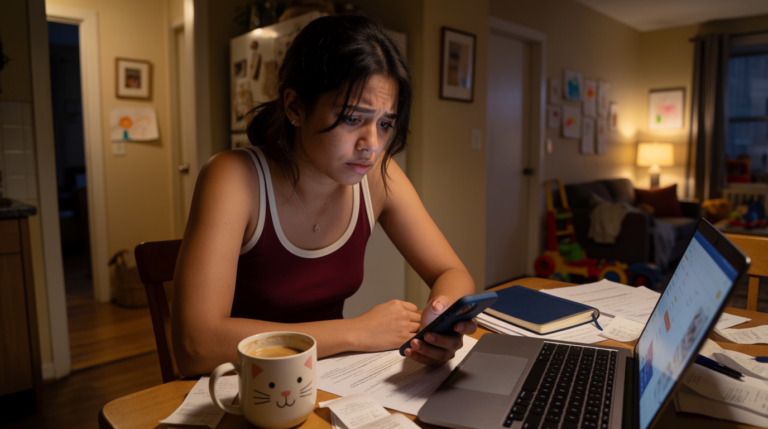
The debit card declined over a $6 coffee order and suddenly the whole week felt personal. Not dramatic. Just deeply annoying. I had money coming in, bills mostly handled, and somehow my account still looked like it survived a natural disaster.
That feeling hits a lot of people. Money disappears quietly. A quick drive-thru stop here. Random online order there. Suddenly your paycheck acts like a temporary guest instead of a reliable adult.
The good news is saving money fast usually comes down to daily habits, not giant life overhauls. Tiny choices repeated every day can completely change your finances over time. Here are 10 daily habits that help you save money fast without making life miserable.
This sounds painfully boring until you realize how powerful it is.
Checking your account daily keeps spending real. You stop treating your balance like mysterious magic numbers floating around the universe.
I started doing this while drinking coffee each morning. Sometimes it felt calming. Sometimes it felt like opening a horror movie trailer. Still helpful though 🙂
Daily awareness helps you:
People often avoid checking balances because they feel anxious. Ironically, avoiding it usually creates more stress later.


Takeaway Statement: Awareness changes spending behavior faster than complicated budgeting systems.
Yes, everyone jokes about this tip. Yes, it still works.
Buying coffee daily adds up fast. One iced latte here and there feels harmless until you realize you basically funded a small vacation for your local café owner.
I still buy coffee out sometimes because life should contain joy. But making coffee at home most weekdays saved me hundreds without much effort.
Little upgrades make home coffee feel less sad and practical.


Takeaway Statement: Small repeated purchases quietly drain budgets more than people realize.
Walking into the grocery store without a plan feels financially dangerous. Grocery stores are basically emotional support centers with background music and snack samples.
Meal planning saves money because it reduces:
I started writing three easy dinners on a sticky note before shopping. Nothing fancy. Tacos, pasta, sheet pan chicken. The goal is survival, not becoming a celebrity chef.
Do not plan seven complicated dinners if you already know Wednesday energy will be nonexistent.
Simple meals usually win.


Takeaway Statement: Meal planning helps you save money fast because it cuts both grocery waste and emergency takeout spending.
This habit alone changed my spending more than any budget spreadsheet ever did.
Impulse shopping feels extremely convincing in the moment. Suddenly you absolutely need another water bottle even though your cabinet already looks like a sporting goods store.
The 24-hour rule gives your brain time to calm down.
After one day:
Not every purchase needs immediate action. Retail marketing just wants you to think it does.


Takeaway Statement: Delaying purchases helps separate wants from actual needs.
People think saving money requires cooking every single meal from scratch. Honestly, that sounds exhausting.
Instead, focus on adding just one extra home-cooked meal weekly.
That small habit can save:
One homemade pasta dinner for a family can cost less than one takeout meal for a single person. Kind of rude when you think about it.
Stock simple backup meals like:
Future tired-you will appreciate the help.


Takeaway Statement: One extra meal at home each week creates savings without making life feel restrictive.
Retail emails are professional manipulators. One minute you are checking weather updates. Next thing you know, you somehow purchased decorative storage baskets at 11 PM.
Store emails create fake urgency constantly.
You avoid:
FYI, most sales return eventually anyway.
I unsubscribed from dozens of stores and instantly felt calmer. Fewer temptations means fewer opportunities to overspend.


Takeaway Statement: Reducing temptation often works better than relying on willpower alone.
Some spending categories become dangerous fast.
For me, it was home décor. Apparently every candle and woven basket looked spiritually necessary.
Using cash creates physical awareness around spending. Watching actual bills disappear feels different than tapping a card mindlessly.
Once the cash is gone, spending stops. Simple. Slightly annoying. Very effective :/


Takeaway Statement: Cash spending creates stronger awareness and naturally slows overspending habits.
This habit sounds unrelated to money until you realize disorganization creates expensive problems.
A quick nightly reset helps prevent:
I spend five minutes resetting the kitchen, checking lunches, and reviewing tomorrow’s schedule. It makes daily life feel less frantic.
And frantic people spend money fast.
Little systems reduce last-minute spending emergencies.


Takeaway Statement: Organization saves money because chaos usually costs extra.
Tiny savings still count.
Automatic round-up savings apps helped me save money without thinking about it constantly. Every purchase rounded up slightly and the difference moved into savings automatically.
It felt too small to matter at first. Then suddenly there was enough money for holiday shopping without panic.
Small habits build surprisingly fast over time.


Takeaway Statement: Saving small amounts consistently beats waiting for extra money that never appears.
This question changed everything for me.
Before buying something, ask:
Do I actually need this or do I just want a tiny mood boost right now?
That pause matters.
A lot of spending comes from stress, boredom, exhaustion, or reward-seeking. Which makes sense because adult life is tiring sometimes.
You start noticing emotional spending patterns:
Once you notice the pattern, you gain more control over it.
And honestly, most random purchases stop feeling urgent after a few minutes.


Takeaway Statement: Mindful spending habits help you save money fast without feeling deprived.
Extreme budgeting usually fails because people get exhausted.
Nobody wants to spend every day obsessing over spreadsheets, guilt, and restriction. That approach works for about six days before burnout shows up carrying takeout menus and online shopping tabs.
Daily habits work because they feel manageable. They quietly improve your finances without making life miserable.
Tiny choices repeated consistently create long-term change.
A few mistakes make saving harder than necessary.
Too many habits at once usually backfire. Pick two or three first.
Motivation disappears constantly. Systems matter more.
Money habits connect deeply to stress, identity, and comfort. Pretending otherwise rarely works.
If your budget feels like a prison sentence, you probably will not stick with it.
Takeaway Statement: Simple realistic habits create lasting financial progress better than perfection ever will.
Saving money fast does not require becoming a completely different person. You do not need perfect discipline, complicated spreadsheets, or a life without small joys.
You just need better daily habits.
Start small. Pick one or two habits from this list and practice them consistently. Tiny changes may feel unimpressive at first, but they build real financial stability over time.
And honestly, nothing feels better than checking your bank account and realizing there is finally a little breathing room there waiting for you.